ChipApex | Global Electronic Components Supplier
SEARCH
Search Product
Search Post
— IC芯片 | 连接器 | 传感器 | 被动器件 —
Search productSearch post
— IC芯片 | 连接器 | 传感器 | 被动器件 —
Consult the customer manager about the wholesale price.
consultation hotline:86-132-6715-2157
email:[email protected]
Contact the product manager for consultation. One-stop consultation is available.
Do you want a lower wholesale price? Please send us your inquiry and we will reply immediately.
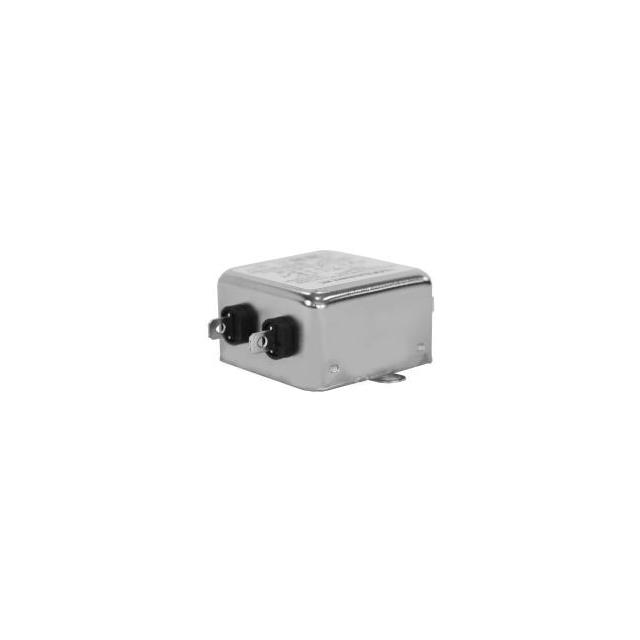
The Astrodyne TDI 091.01501.00 is a high-performance single-phase, single-stage EMI filter designed for AC power line applications. It features a rated current of 15 A and operates within a voltage range of 120 to 250 VAC. The unit incorporates an adjustable Y-capacitor value to optimize noise suppression characteristics. Key electrical specifications include a leakage current of 0.89 mA. The component is constructed as a surface filter unit with lead wire termination, ensuring reliable connectivity in industrial and commercial environments.
Verify the specific datasheet version and regulatory approvals (UL, EN, CSA) required for your target market before procurement. Confirm that the lead wire termination style matches your assembly process. Ensure the 15 A current rating and 0.89 mA leakage current are acceptable for your system's safety and performance standards. Check for any specific mounting or environmental constraints defined in the official documentation.
Select this model when a single-stage solution is sufficient for your EMI attenuation needs. The adjustable Y-cap allows customization for specific noise profiles without changing hardware. Consider the 15 A rating to ensure adequate headroom for peak loads. Verify that the physical dimensions (52 mm width, 29 mm height, 51 mm length) fit within the available enclosure space. Compare against multi-stage filters if higher attenuation is required.
This component belongs to the Astrodyne TDI 091 Series, which offers a range of high-performance single-phase EMI filters. The series covers various current ratings to suit different power levels. Astrodyne TDI provides comprehensive EMC solutions for medical, industrial, and military sectors, emphasizing robust isolation and compliance with international safety standards.
Direct substitutes must match the 15 A rating, single-phase topology, and similar physical footprint. Verify that alternative components offer comparable leakage current limits and approval certifications. Adjustments to circuit layout may be necessary if pinouts or terminal types differ significantly from the lead wire configuration.
 091.01501.00
The activity of extra discounts on wholesale prices is in full swing…
Please fill in your contact information and we will send you the latest wholesale price list.