ChipApex | Global Electronic Components Supplier
SEARCH
Search Product
Search Post
— IC芯片 | 连接器 | 传感器 | 被动器件 —
Search productSearch post
— IC芯片 | 连接器 | 传感器 | 被动器件 —
Consult the customer manager about the wholesale price.
consultation hotline:86-132-6715-2157
email:[email protected]
Contact the product manager for consultation. One-stop consultation is available.
Do you want a lower wholesale price? Please send us your inquiry and we will reply immediately.
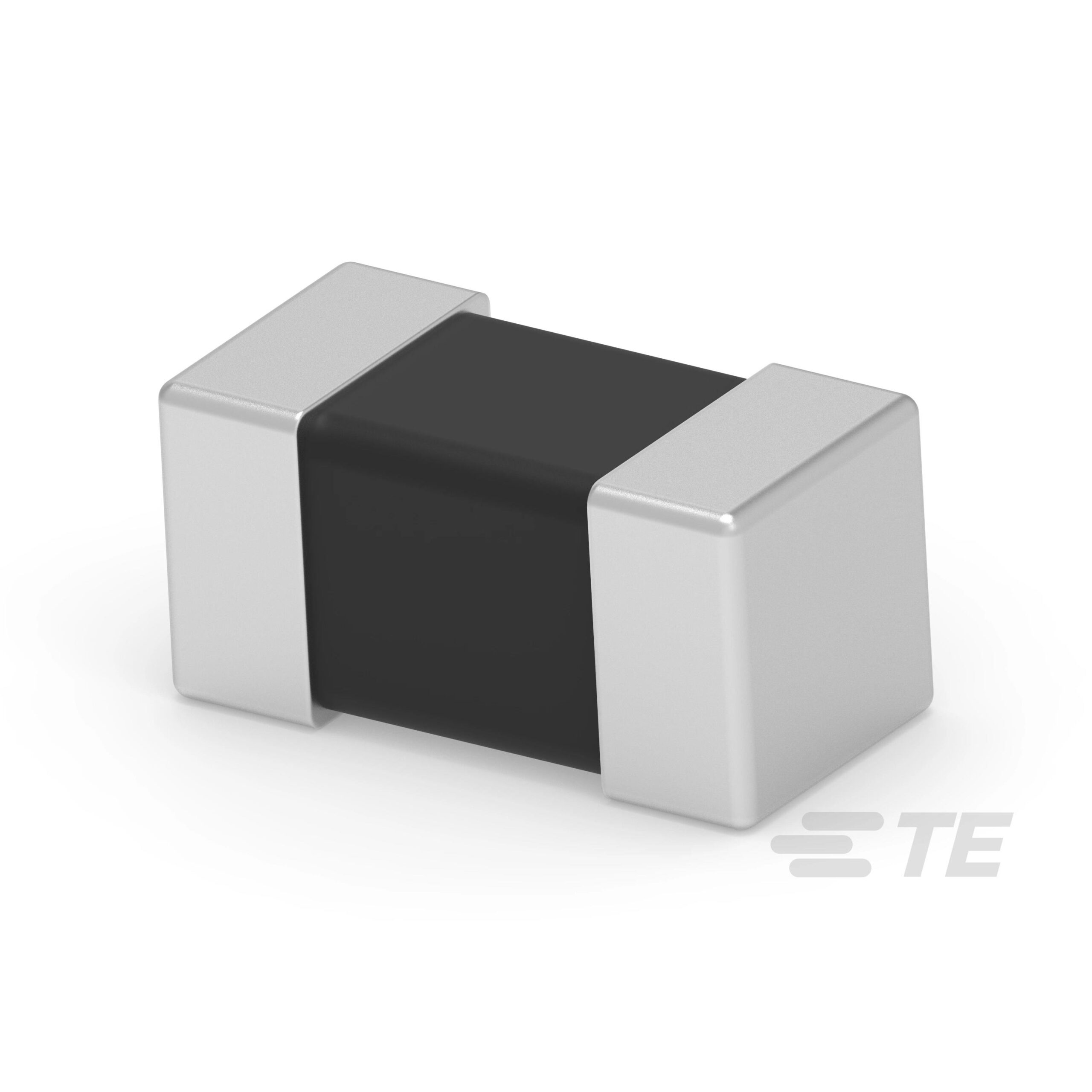
The TE Connectivity Passive Product 1-2176746-2 is a ferrite chip bead from the BMC-Q series, designed for power line EMI suppression. It features a 0402 (1005 Metric) surface-mount package with dimensions of 1.0 mm length and 0.5 mm width. The component provides an impedance of 100 Ohms at 100 MHz and supports a maximum DC current of 800 mA. Its maximum DC resistance is 150 milliohms, ensuring low insertion loss in high-frequency circuits.
Verify the specific impedance tolerance and current rating requirements against the official datasheet before ordering. Confirm that the 0402 package size aligns with your PCB land pattern design. Ensure compatibility with your assembly process regarding peak reflow temperatures. Check for any recent product change notices or lifecycle status updates directly from the manufacturer to avoid obsolescence risks during production.
Select this component when space-constrained designs require efficient power rail noise attenuation. The 100 Ohm impedance value is suitable for suppressing high-frequency noise above 100 MHz. Consider the 800 mA current rating to ensure the component does not saturate under normal operating loads. The low DC resistance minimizes voltage drop across the filter, preserving signal integrity for sensitive downstream components.
This part belongs to the Sigma Inductors BMC-Q series, which focuses on miniaturized passive components for modern electronics. The series emphasizes high reliability and consistent performance across various environmental conditions. TE Connectivity designs these beads to meet stringent automotive and industrial standards, ensuring long-term stability in demanding applications where space and efficiency are critical constraints.
Direct substitutes must match the 100 Ohm impedance at 100 MHz, 0402 package size, and minimum 800 mA current rating. Verify equivalent DC resistance and temperature range specifications. Cross-reference with other manufacturers' ferrite bead catalogs for compatible alternatives if supply chain constraints exist.
 1-2176746-2
The activity of extra discounts on wholesale prices is in full swing…
Please fill in your contact information and we will send you the latest wholesale price list.