ChipApex | Global Electronic Components Supplier

SEARCH
Search Product
Search Post
— IC芯片 | 连接器 | 传感器 | 被动器件 —
Search productSearch post
— IC芯片 | 连接器 | 传感器 | 被动器件 —
Consult the customer manager about the wholesale price.
consultation hotline:86-132-6715-2157
email:[email protected]
Contact the product manager for consultation. One-stop consultation is available.
Do you want a lower wholesale price? Please send us your inquiry and we will reply immediately.
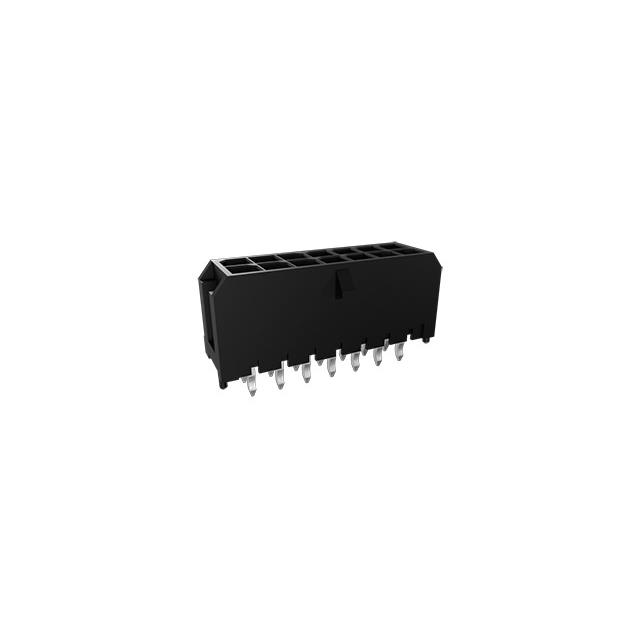
The Amphenol ICC (FCI) 10127721-025LF is a Minitek Pwr 3.0 series header connector designed for power-to-board applications. It features a double row configuration with 2 positions and a 3 mm pitch. The connector utilizes male pin contacts made of copper with gold plating, rated for 8.5 A current and 600 VAC voltage. It employs a through-hole solder termination style with a straight installation angle. The housing is constructed from natural liquid crystal polymer (LCP), offering an operating temperature range of -40°C to +105°C and an insulation resistance of 1 GOhms.
Verify the specific suffix against official Amphenol documentation to confirm contact plating thickness and material composition. Ensure the selected variant matches the required current rating and thermal specifications for the target application environment. Cross-reference the part number with the latest datasheet to confirm availability status and manufacturing lifecycle stage before procurement.
Select this component when a low-profile, high-current solution is required for vertical mounting. The 3 mm pitch allows for significant current carrying capacity compared to finer pitches. Consider the double-row arrangement for maximizing power input in limited footprint scenarios. Verify that the through-hole soldering process aligns with the assembly line capabilities and thermal profiles.
This part belongs to the Minitek Pwr 3.0 family, which specializes in power connectors for board-level integration. The series is characterized by its ability to handle substantial currents while maintaining a compact form factor. It is widely used in applications where reliable power delivery is critical, such as telecommunications and computing hardware, distinguishing it from signal-only connector families.
Consult official substitution guides for compatible headers within the same Minitek Pwr 3.0 series. Verify mechanical dimensions and electrical ratings before substituting with other manufacturers' products to ensure compatibility with existing PCB footprints and system requirements.
 10127721-025LF

The activity of extra discounts on wholesale prices is in full swing…
Please fill in your contact information and we will send you the latest wholesale price list.