ChipApex | Global Electronic Components Supplier
SEARCH
Search Product
Search Post
— IC芯片 | 连接器 | 传感器 | 被动器件 —
Search productSearch post
— IC芯片 | 连接器 | 传感器 | 被动器件 —
Consult the customer manager about the wholesale price.
consultation hotline:86-132-6715-2157
email:[email protected]
Contact the product manager for consultation. One-stop consultation is available.
Do you want a lower wholesale price? Please send us your inquiry and we will reply immediately.
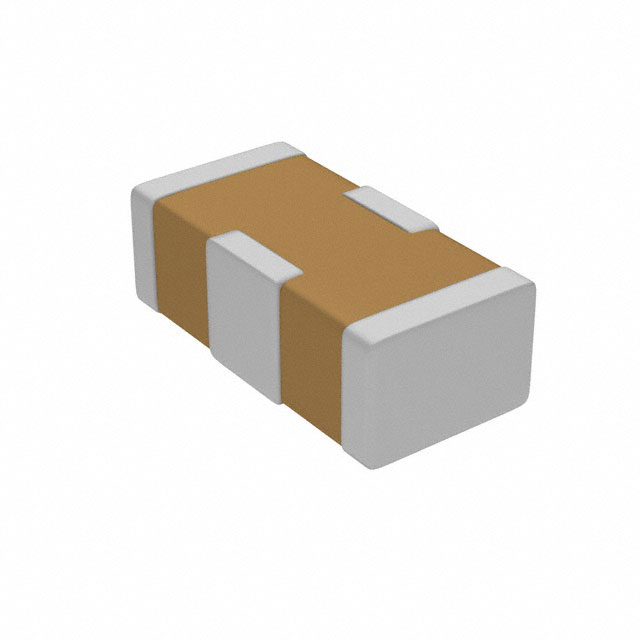
The Knowles Syfer 1206J1000101MCTE01 is a three-terminal EMI chip capacitor designed for surface mount applications. It features a 1806 (4516 metric) case size with C0G dielectric characteristics. The component provides a capacitance of 100 pF with a tolerance of ±20% and a DC voltage rating of 100 VDC. It operates within a temperature range of -55°C to +125°C. This device belongs to the E01 series and utilizes SMD/SMT termination types for integration into high-frequency circuits requiring electromagnetic interference suppression.
Verify the specific suffix MCTE01 against official Knowles Syfer documentation to confirm package type and terminal configuration. Ensure compatibility with existing PCB footprint designs, as three-terminal components require distinct land patterns compared to standard two-terminal capacitors. Cross-reference RoHS compliance status directly from the manufacturer's current datasheet before finalizing procurement orders.
Select this component when space-constrained designs require effective EMI filtering without additional discrete inductors. The 1806 case size offers a balance between physical footprint and electrical performance. Consider the 100V rating and 100pF value for matching circuit impedance requirements. Verify that the operating environment remains within the specified -55°C to +125°C range to maintain C0G stability and prevent derating issues.
This part belongs to the Knowles Syfer X2Y® capacitor family, which integrates three terminals into a single monolithic structure. These devices are engineered to provide superior common-mode noise attenuation compared to traditional two-terminal capacitors. The E01 series designation indicates specific construction parameters optimized for high-frequency applications where minimal parasitic inductance is critical for effective filtering performance.
Direct substitutes must match the 1806 case size, 100pF capacitance, 100V rating, and three-terminal topology. Verify that alternative manufacturers offer comparable insertion loss characteristics at target frequencies. Ensure pinout configurations align with existing board layouts to avoid redesign efforts during component substitution.
 1206J1000101MCTE01
The activity of extra discounts on wholesale prices is in full swing…
Please fill in your contact information and we will send you the latest wholesale price list.