ChipApex | Global Electronic Components Supplier

SEARCH
Search Product
Search Post
— IC芯片 | 连接器 | 传感器 | 被动器件 —
Search productSearch post
— IC芯片 | 连接器 | 传感器 | 被动器件 —
Consult the customer manager about the wholesale price.
consultation hotline:86-132-6715-2157
email:[email protected]
Contact the product manager for consultation. One-stop consultation is available.
Do you want a lower wholesale price? Please send us your inquiry and we will reply immediately.
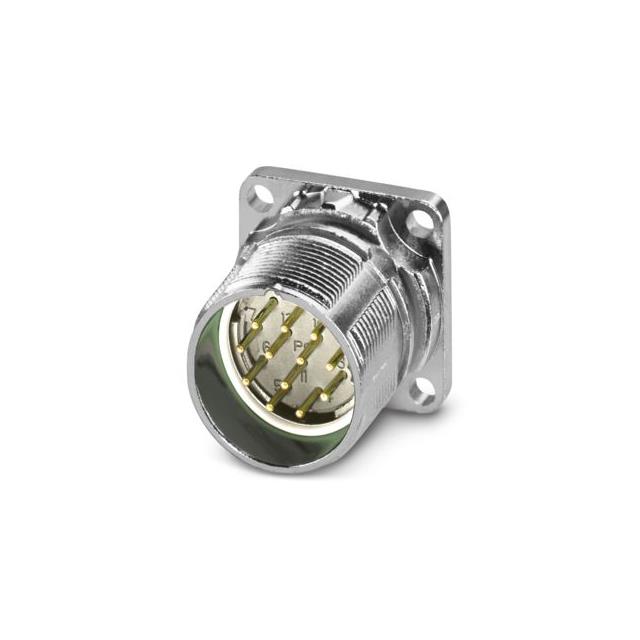
Phoenix Contact part number 1543921 is a pre-assembled M12 data cable designed for industrial automation networks. It features a male straight connector on one end and a female straight connector on the other, utilizing A-coding for standard signal transmission. The cable construction employs halogen-free PUR material for durability in demanding environments. This component supports communication protocols such as PROFINET and EtherNet/IP, providing reliable connectivity between field devices and control systems.
Verify the specific connector orientation (straight vs. angled) and pin configuration against the system schematic before ordering. Confirm that the cable length and shielding requirements match the installation environment. Ensure compatibility with existing M12 ports to prevent interface mismatches during deployment.
Select this model when a direct point-to-point Ethernet connection is required without intermediate junction boxes. Consider the environmental rating of the PUR jacket if the installation involves exposure to harsh industrial conditions or frequent movement. Verify that the A-coding aligns with the port type on the target device.
This component belongs to Phoenix Contact's extensive portfolio of pre-wired M12 cables, which are essential for establishing fast and reliable fieldbus and Ethernet connections in automated machinery. These cables streamline installation by eliminating the need for on-site crimping or soldering, ensuring consistent performance across production lines.
When replacing, ensure the substitute part maintains the same M12 A-coding and conductor cross-section. Verify that the replacement cable meets the same shielding standards and material specifications to preserve signal quality and environmental resilience in the existing setup.
The connector uses A-coding, which is standard for single-channel Ethernet applications like PROFINET and EtherNet/IP.
Yes, the cable features a shielded design to protect data signals from electromagnetic interference in industrial settings.
 1543921

The activity of extra discounts on wholesale prices is in full swing…
Please fill in your contact information and we will send you the latest wholesale price list.