ChipApex | Global Electronic Components Supplier
SEARCH
Search Product
Search Post
— IC芯片 | 连接器 | 传感器 | 被动器件 —
Search productSearch post
— IC芯片 | 连接器 | 传感器 | 被动器件 —
Consult the customer manager about the wholesale price.
consultation hotline:86-132-6715-2157
email:[email protected]
Contact the product manager for consultation. One-stop consultation is available.
Do you want a lower wholesale price? Please send us your inquiry and we will reply immediately.
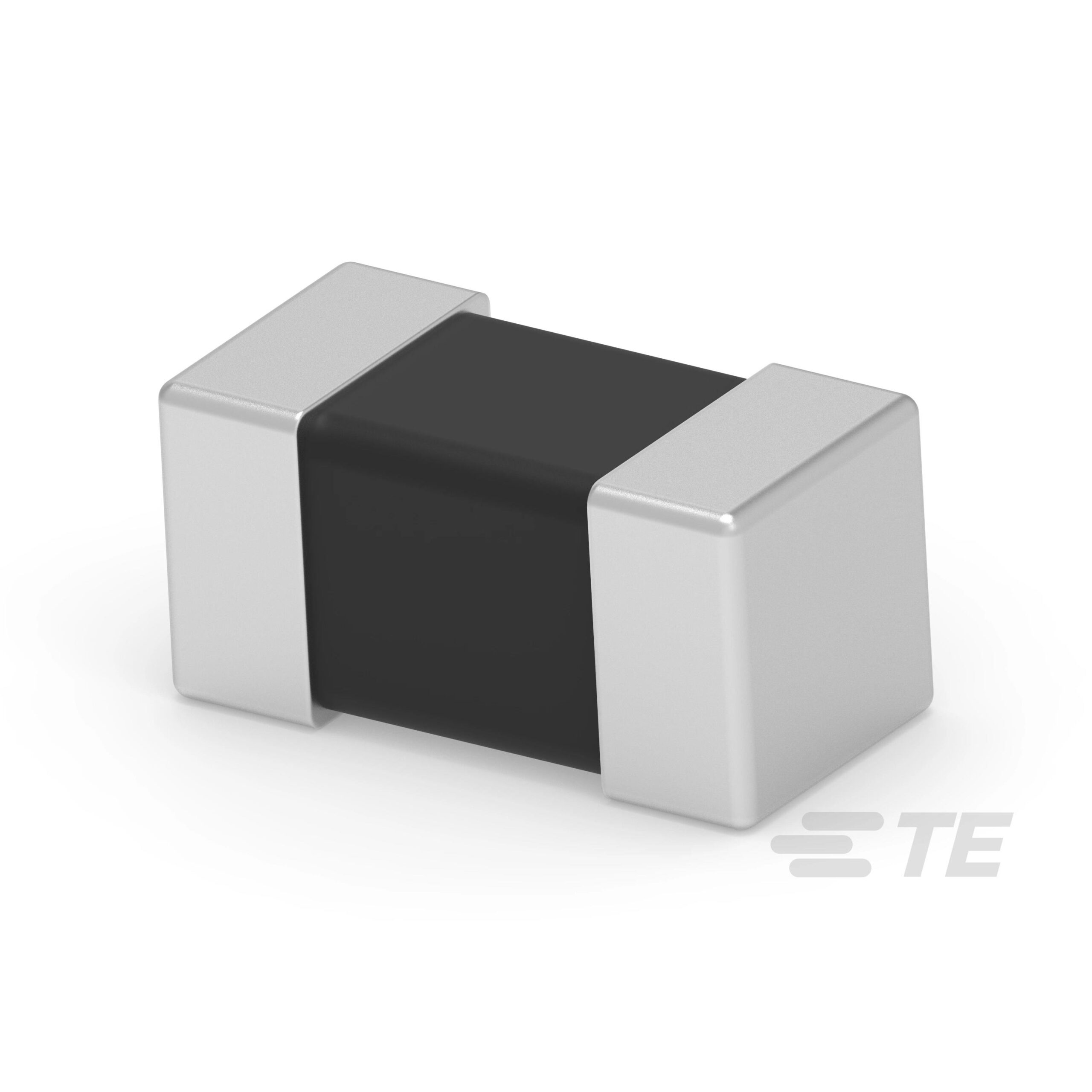
The TE Connectivity 2-2176746-0 is a power line ferrite bead designed for surface mount applications. It utilizes a 0402 (1005 metric) package to provide compact EMI suppression in space-constrained circuits. The component exhibits an impedance of 800 Ohms at a frequency of 100 MHz, ensuring effective noise attenuation across the specified bandwidth. It supports a maximum DC current rating of 300 mA and maintains a maximum DC resistance of 650 mOhms. The device operates reliably within a temperature range from -55°C to +125°C.
Verify the specific impedance tolerance and DC resistance values against the official datasheet before integration. Confirm that the 300 mA current rating meets the operational requirements of the target circuit. Ensure compatibility with standard reflow soldering profiles for the 0402 package. Check for any RoHS compliance documentation required by your manufacturing facility. Validate that the 800 Ohm impedance at 100 MHz aligns with the noise spectrum of the application.
Select this component when high-frequency noise suppression is required on power rails within tight spatial constraints. The 0402 package offers a balance between component size and electrical performance. Consider the 650 mOhms DC resistance to ensure minimal voltage drop in low-current applications. The 300 mA current handling capability suits moderate power loads. Evaluate the thermal stability up to 125°C for environments with elevated operating temperatures.
This ferrite bead belongs to TE Connectivity's passive product portfolio, specifically engineered for electromagnetic interference mitigation. It complements other components in signal integrity management systems. The Sigma Inductors brand heritage informs its design for reliable passive filtering. It serves as a critical element in maintaining clean power delivery in modern electronic assemblies.
Consult official TE Connectivity substitution guides for verified equivalents. Cross-reference impedance curves and current ratings carefully. Ensure physical dimensions match the existing footprint to avoid mechanical conflicts.
 2-2176746-0
The activity of extra discounts on wholesale prices is in full swing…
Please fill in your contact information and we will send you the latest wholesale price list.