ChipApex | Global Electronic Components Supplier
SEARCH
Search Product
Search Post
— IC芯片 | 连接器 | 传感器 | 被动器件 —
Search productSearch post
— IC芯片 | 连接器 | 传感器 | 被动器件 —
Consult the customer manager about the wholesale price.
consultation hotline:86-132-6715-2157
email:[email protected]
Contact the product manager for consultation. One-stop consultation is available.
Do you want a lower wholesale price? Please send us your inquiry and we will reply immediately.
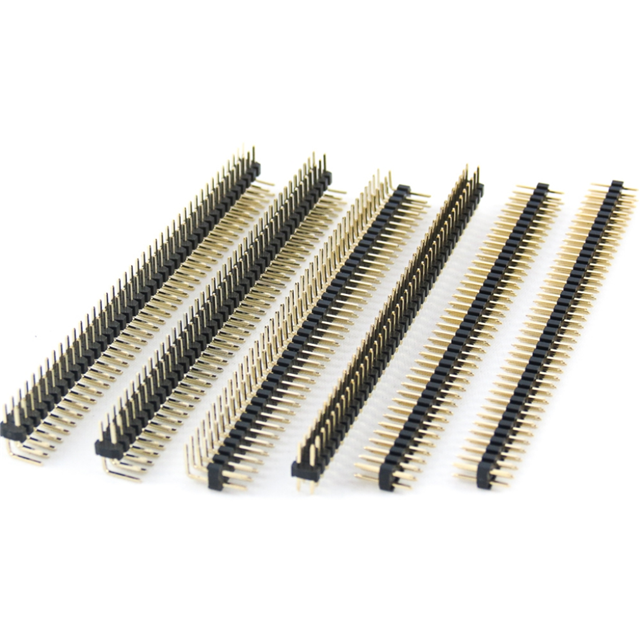
The Oupiin 2112-2X15G00SB is a board-to-board header connector featuring 30 contacts arranged in two rows. It utilizes a 0.079-inch (2.00mm) pin pitch and employs a straight, through-hole solder termination method. The component is designed as a male pin header with locking installation options to ensure secure attachment. Constructed with Polybutylene Terephthalate (PBT) insulation, it supports a current rating of 1A. This rectangular connector is engineered for reliable signal transmission in compact electronic assemblies requiring robust mechanical stability.
Verify the specific contact count and row configuration against the official datasheet before procurement. Confirm that the PBT insulation material meets thermal requirements for the intended application environment. Ensure the straight pin style aligns with the mechanical layout constraints of the target assembly. Cross-reference the locking feature availability with the specific variant ordered to guarantee proper mating compatibility.
Select this component when a dual-row male header with a 2.00mm pitch is required for board-to-board connections. Consider the 1A current rating and PBT insulation properties for environmental suitability. Evaluate the straight termination style against available PCB space and assembly orientation needs. Verify compatibility with mating female sockets in the system design to ensure proper electrical and mechanical interface.
This part belongs to the Oupiin 2112 series of rectangular connectors, specifically designed as double-row headers. The series offers various contact counts and pitch options, with the 2112 model line focusing on 2.00mm spacing. These connectors are manufactured using automated processes to maintain consistent quality standards across the product range.
Compatible substitutes include other 2-row, 30-pin male headers with a 0.079-inch pitch and through-hole termination. Ensure replacement parts match the PBT insulation material and locking features if mechanical retention is critical. Verify that alternative components support the same 1A current rating and board-to-board application requirements.
 2112-2X15G00SB
The activity of extra discounts on wholesale prices is in full swing…
Please fill in your contact information and we will send you the latest wholesale price list.