 ChipApex | Global Electronic Components Supplier
SEARCH
Search Product
Search Post
— IC芯片 | 连接器 | 传感器 | 被动器件 —
Search productSearch post
— IC芯片 | 连接器 | 传感器 | 被动器件 —
Consult the customer manager about the wholesale price.
consultation hotline:86-132-6715-2157
email:[email protected]
Contact the product manager for consultation. One-stop consultation is available.
Do you want a lower wholesale price? Please send us your inquiry and we will reply immediately.
The Altera 21281CB is a high-performance Field Programmable Gate Array (FPGA) belonging to the Stratix II device family. This component integrates advanced logic array blocks, embedded memory resources, and dedicated DSP blocks to support complex digital signal processing and system-level integration tasks. It features high-speed transceivers for serial communication applications and supports multiple I/O standards for flexible peripheral interfacing. The device architecture includes robust clock management tiles and configuration options suitable for demanding industrial and telecommunications environments.
Verify the specific suffix codes on the component marking against official Altera documentation to confirm package type, temperature range, and lead-free status. Ensure compatibility with Quartus Prime software versions supported by the Stratix II family before procurement. Cross-reference the full part number with manufacturer datasheets to validate pinout and electrical specifications for your specific design requirements.
Select this component when high logic density and embedded DSP capabilities are required within a single FPGA fabric. Consider the Stratix II family characteristics regarding power consumption and thermal management during the initial design phase. Evaluate the available I/O standards and voltage levels to ensure seamless integration with existing system peripherals and memory interfaces.
This part belongs to the Altera Stratix II family, representing a generation of FPGAs designed for mid-to-high performance applications. The family introduced significant improvements in logic density and embedded memory compared to previous generations. It serves as a bridge between lower-end Cyclone devices and higher-end Stratix III/IV families, offering a balance of cost and performance for various commercial and industrial applications.
For direct replacements, consult the official Altera migration guide for the Stratix II family. Potential upgrades may include Stratix III or Stratix IV devices, depending on resource requirements. Verify pin-to-pin compatibility and software toolchain support before substituting with newer generation components.
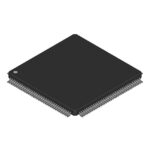 21281CB
The activity of extra discounts on wholesale prices is in full swing…
Please fill in your contact information and we will send you the latest wholesale price list.