 ChipApex | Global Electronic Components Supplier
SEARCH
Search Product
Search Post
— IC芯片 | 连接器 | 传感器 | 被动器件 —
Search productSearch post
— IC芯片 | 连接器 | 传感器 | 被动器件 —
Consult the customer manager about the wholesale price.
consultation hotline:86-132-6715-2157
email:[email protected]
Contact the product manager for consultation. One-stop consultation is available.
Do you want a lower wholesale price? Please send us your inquiry and we will reply immediately.
The Microchip Technology 25CS320-E/ST is a 32-Kbit SPI Serial EEPROM organized as 4,096 x 8 bits. It operates within a voltage range of 1.7V to 5.5V and supports clock frequencies up to 20 MHz at VCC ≥ 4.5V. The device features an 8-lead TSSOP package and functions across an extended temperature range of -40°C to +125°C. Key specifications include a maximum write current of 5.0 mA, standby current of 1.0 µA, and data retention exceeding 200 years.
Verify that the ordering suffix 'E' corresponds to the Extended temperature range (-40°C to +125°C) and 'ST' indicates the 8-lead TSSOP package. Confirm the specific datasheet revision matches the required electrical characteristics. Ensure compatibility with the host controller's SPI mode and voltage levels before finalizing procurement.
Select this component when high reliability and data integrity are critical due to the built-in ECC logic. The Extended temperature rating makes it suitable for harsh environments where standard industrial parts may fail. The configurable write protection modes offer flexibility for securing sensitive application data against unauthorized modification.
The 25CS320 belongs to Microchip's CS series of Serial EEPROMs, designed for backward compatibility with legacy devices like the 25AA320A and AT25320B. This series emphasizes security through unique identification and robust protection mechanisms, positioning it as a secure storage solution for modern embedded systems requiring traceability.
The 25CS320 is backward compatible with the 25AA320A, 25LC320A, and AT25320B. When replacing these older components, verify that the system can support the Enhanced Write Protection features and that the pinout remains identical to ensure a drop-in replacement without hardware modifications.
The built-in ECC scheme corrects up to one incorrectly read bit within a four-byte readout sequence and sets a status flag in the STATUS register if an error was detected and corrected.
The HOLD pin allows the host to pause serial communication without resetting the sequence, enabling the processor to service higher priority interrupts while maintaining the current state.
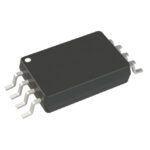 25CS320-E/ST
The activity of extra discounts on wholesale prices is in full swing…
Please fill in your contact information and we will send you the latest wholesale price list.





