ChipApex | Global Electronic Components Supplier

SEARCH
Search Product
Search Post
— IC芯片 | 连接器 | 传感器 | 被动器件 —
Search productSearch post
— IC芯片 | 连接器 | 传感器 | 被动器件 —
Consult the customer manager about the wholesale price.
consultation hotline:86-132-6715-2157
email:[email protected]
Contact the product manager for consultation. One-stop consultation is available.
Do you want a lower wholesale price? Please send us your inquiry and we will reply immediately.
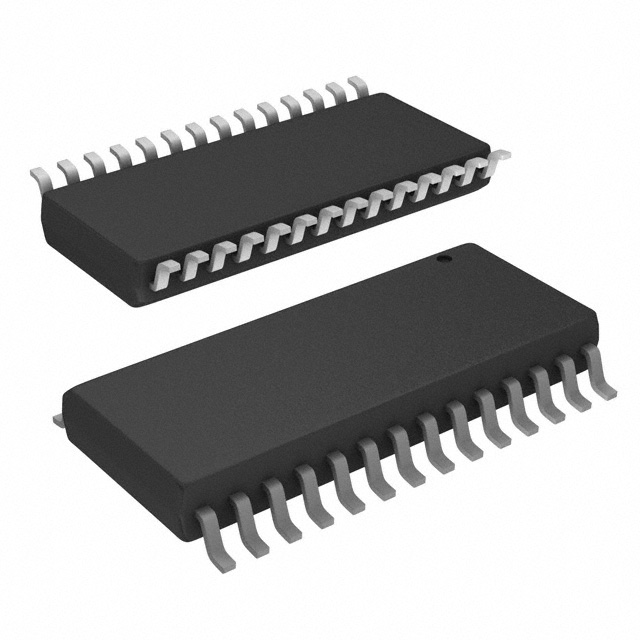
The Microchip Technology 27C256-25/SO is a CMOS 256K-bit Electrically Programmable Read Only Memory (EPROM). It is organized as 32K words by 8 bits. The device supports access times of less than 90 ns, with the specific -25 suffix indicating a maximum access time of 250 ns. It operates on a single 5V supply and features low power consumption with 20 mA active current and 100 µA standby current. The component is housed in a 28-pin SOIC package and is designed for industrial temperature ranges.
Verify the exact speed grade suffix against the datasheet, as standard 27C256 devices typically offer faster access times than 250 ns. Confirm the package type matches the required PCB footprint. Ensure programming equipment compatibility with OTP EPROM algorithms. Check for automotive qualification requirements if deploying in vehicle systems. Validate RoHS compliance status for the specific manufacturing batch.
Select this component when a cost-effective, high-density non-volatile memory solution is required for storing firmware or fixed data. Consider the 250 ns access time constraint against the target processor's clock speed to determine if wait states are necessary. Evaluate the 28-pin SOIC package availability against board space limitations. Compare power specifications against battery-operated constraints if applicable.
This part belongs to the Microchip 27C series of EPROMs, which are widely used for storing application code that does not require frequent updates. The 27C256 variant provides 256 kilobits of storage capacity. It serves as a bridge between older mask-programmed ROMs and modern Flash technologies, offering a balance of density and ease of use for legacy or specific industrial designs.
Direct pin-compatible replacements include other 27C256 variants from different manufacturers such as Intel or National Semiconductor, provided the access time meets system requirements. Verify voltage levels and package dimensions before substitution. Note that newer Flash-based alternatives may offer reprogrammability but might require interface changes.
 27C256-25/SO277

The activity of extra discounts on wholesale prices is in full swing…
Please fill in your contact information and we will send you the latest wholesale price list.