ChipApex | Global Electronic Components Supplier
SEARCH
Search Product
Search Post
— IC芯片 | 连接器 | 传感器 | 被动器件 —
Search productSearch post
— IC芯片 | 连接器 | 传感器 | 被动器件 —
Consult the customer manager about the wholesale price.
consultation hotline:86-132-6715-2157
email:[email protected]
Contact the product manager for consultation. One-stop consultation is available.
Do you want a lower wholesale price? Please send us your inquiry and we will reply immediately.
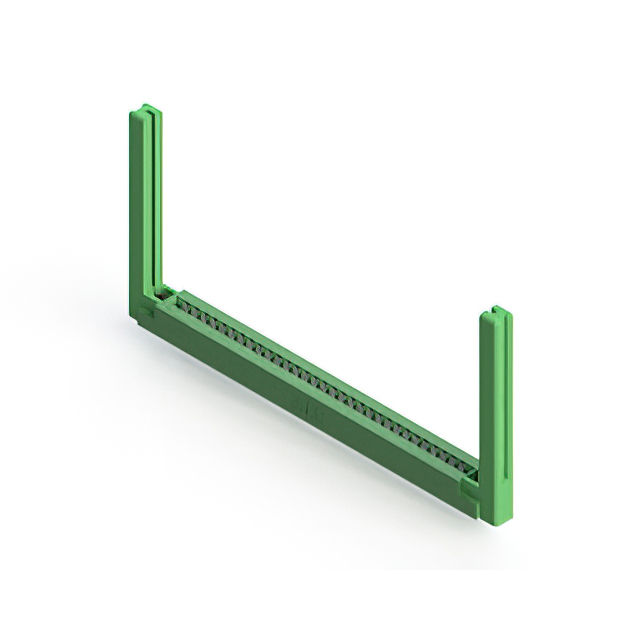
The EDAC Inc. 306-031-420-158 is a dual-edge female card edge connector designed for vertical panel mounting. It features 62 positions with a 0.156-inch (3.96mm) contact spacing and accepts PCBs with thicknesses between 0.054 and 0.070 inches. The connector utilizes tin-plated copper alloy contacts and a green thermoplastic polyester insulator. It supports through-hole termination and operates within a temperature range of -40°C to 105°C.
Verify the specific ordering suffix against the manufacturer's current 306 Series Ordering Guide to ensure compatibility with required flange features and termination styles. Confirm that the target PCB thickness falls within the specified 0.054 to 0.070 inch range for proper mechanical retention and electrical contact. Cross-reference the RoHS status and moisture sensitivity level requirements with your assembly process specifications before finalizing procurement.
Select this component when a high-density, dual-sided connection is required for standard thickness circuit boards. The 0.156-inch spacing offers robust mechanical stability compared to finer pitches. Ensure the application environment remains within the -40°C to 105°C operational limit. Consider the flush mount profile if space constraints prohibit protruding connectors on the panel surface.
This part belongs to the EDAC 306 Series, a line of standard card edge connectors known for their versatility in industrial applications. The series typically includes various position counts and termination options. The 306-031-420-158 specifically addresses the need for a 62-position interface with a durable tin finish, fitting into the broader category of through-hole mounted edge connectors.
Direct substitutes must match the 62-position count, 0.156-inch pitch, and dual-edge configuration. Verify that alternative parts support the same PCB thickness range and offer compatible flange mounting features. Check for equivalent thermal ratings and contact material specifications to ensure functional parity in existing designs.
 306-031-420-158
The activity of extra discounts on wholesale prices is in full swing…
Please fill in your contact information and we will send you the latest wholesale price list.