ChipApex | Global Electronic Components Supplier
SEARCH
Search Product
Search Post
— IC芯片 | 连接器 | 传感器 | 被动器件 —
Search productSearch post
— IC芯片 | 连接器 | 传感器 | 被动器件 —
Consult the customer manager about the wholesale price.
consultation hotline:86-132-6715-2157
email:[email protected]
Contact the product manager for consultation. One-stop consultation is available.
Do you want a lower wholesale price? Please send us your inquiry and we will reply immediately.
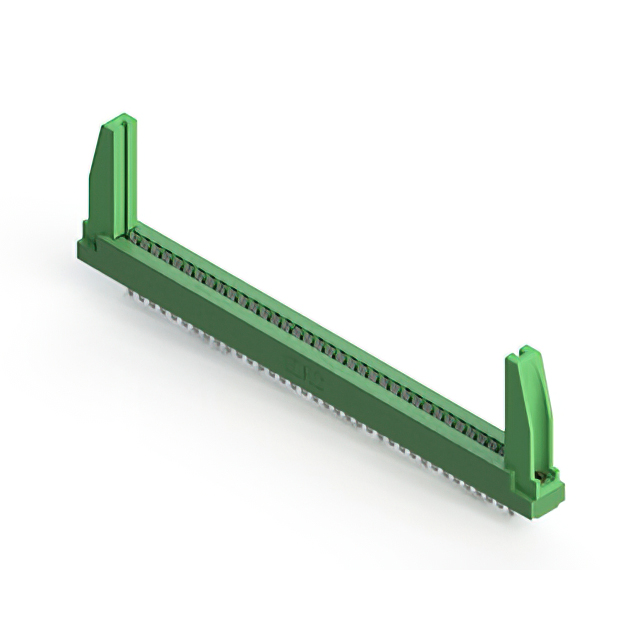
The EDAC Inc. 306-036-400-178 is a dual-edge female card edge connector featuring 72 positions arranged in two rows of 36 contacts each. It utilizes a 0.156-inch (3.96mm) contact pitch and is designed for panel mounting via solder lug termination. The connector accepts non-specified dual-edge cards with thicknesses ranging from 0.054 to 0.070 inches. Contacts are made of copper alloy with tin plating, housed in green thermoplastic polyester insulation, and operate within a temperature range of -40°C to +105°C.
Verify the specific ordering suffix against the official EDAC 306 Series Ordering Guide to confirm contact plating and flange characteristics. Ensure the target PCB or card edge thickness falls within the specified 0.054 to 0.070 inch range for proper engagement. Confirm that the application environment remains within the -40°C to +105°C operational limits defined by the manufacturer's specifications.
Select this component when a high-density dual-edge interface is required for panel-mounted applications. The 72-position count supports substantial I/O requirements compared to lower-count variants. Verify compatibility with existing tooling for the 0.156-inch pitch. Consider the tin plating option if cost efficiency is prioritized over the corrosion resistance offered by gold-plated alternatives in similar series models.
This part belongs to the EDAC 306 Series, a line of standard card edge connectors known for their versatility in various electronic assemblies. The series offers multiple position counts and termination options to accommodate different design constraints. The 306-036-400-178 specifically addresses needs for dual-edge connectivity with a focus on durable panel integration using standard industrial spacing metrics.
Direct substitutes within the same series include parts with identical pin counts and pitch but different plating, such as the 306-036-500-178 which features gold plating instead of tin. Cross-series replacements like the 316 or 356 series may offer similar form factors but require verification of flange dimensions and row configurations to ensure mechanical fit.
 306-036-400-178
The activity of extra discounts on wholesale prices is in full swing…
Please fill in your contact information and we will send you the latest wholesale price list.