 ChipApex | Global Electronic Components Supplier
SEARCH
Search Product
Search Post
— IC芯片 | 连接器 | 传感器 | 被动器件 —
Search productSearch post
— IC芯片 | 连接器 | 传感器 | 被动器件 —
Consult the customer manager about the wholesale price.
consultation hotline:86-132-6715-2157
email:[email protected]
Contact the product manager for consultation. One-stop consultation is available.
Do you want a lower wholesale price? Please send us your inquiry and we will reply immediately.
The National Semiconductor 54AC175ERQMLV is a high-speed CMOS quad D flip-flop designed for radiation-hardened applications. It features positive-edge triggering and true outputs within a hermetic ceramic flatpack package. The device operates on a 2 V to 6 V supply range, supporting TTL-compatible inputs. It is qualified under QML-V standards, ensuring reliability in extreme environments with a temperature range of -55 °C to +125 °C. Key radiation specifications include immunity to single-event latch-up up to 110 MeV.cm²/mg and total ionizing dose hardness of 300 krad(Si).
Verify the specific ordering suffix matches the required QML-V qualification level and hermetic seal type. Confirm that the manufacturer source aligns with the original National Semiconductor lineage or authorized successor entity to ensure authentic radiation-hardening certification. Request full test reports and material composition declarations to validate compliance with strict aerospace procurement standards.
Select this component when radiation tolerance and hermetic sealing are mandatory requirements. It is suitable for designs requiring positive-edge triggered storage with TTL compatibility. Ensure the system voltage remains within the 2 V to 6 V operational window. Consider package constraints as the ceramic flatpack requires specialized mounting techniques compared to standard plastic packages.
This part belongs to the 54AC/54ACT series of high-speed CMOS logic functions. These components are specifically engineered to meet stringent radiation requirements for the aerospace industry. The series includes various gates, flip-flops, and multiplexers housed in ceramic hermetic packages. They represent a robust solution for mission-critical digital logic where standard commercial parts would fail due to environmental stressors.
Direct replacements must also be QML-V qualified 54AC175 variants from authorized sources. Cross-reference pinouts and electrical characteristics carefully. Generic commercial AC175 devices lack the necessary radiation hardness and hermetic sealing, making them unsuitable for this application without significant design modification.
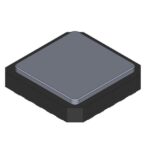 54AC175ERQMLV
The activity of extra discounts on wholesale prices is in full swing…
Please fill in your contact information and we will send you the latest wholesale price list.





