 ChipApex | Global Electronic Components Supplier

SEARCH
Search Product
Search Post
— IC芯片 | 连接器 | 传感器 | 被动器件 —
Search productSearch post
— IC芯片 | 连接器 | 传感器 | 被动器件 —
Consult the customer manager about the wholesale price.
consultation hotline:86-132-6715-2157
email:[email protected]
Contact the product manager for consultation. One-stop consultation is available.
Do you want a lower wholesale price? Please send us your inquiry and we will reply immediately.
The 7005L35PF8 is a dual-port static random-access memory (SRAM) integrated circuit manufactured by Renesas Electronics Corporation. It features a storage capacity of 64 kilobits, organized as 8K words by 8 bits. The device operates with a maximum access time of 35 nanoseconds and supports parallel interface communication. It requires a supply voltage range between 4.5V and 5.5V. The component is housed in a 64-lead Thin Quad Flat Package (TQFP) measuring 14x14 mm. This asynchronous SRAM is classified as volatile memory and is currently designated as obsolete or end-of-life by the manufacturer.
Verify component authenticity through authorized channels due to obsolete status. Confirm RoHS compliance requirements as original specifications may indicate non-compliance. Check for moisture sensitivity level handling procedures during assembly. Validate pin compatibility with existing PCB footprints before integration. Review manufacturer notices for potential lifecycle restrictions or recommended obsolescence management strategies.
Consider the 35 ns access speed when evaluating system timing constraints. Ensure power supply stability within the 4.5V to 5.5V range to maintain reliable operation. Evaluate thermal dissipation capabilities given the TQFP package limitations. Compare performance against newer generation devices if long-term supply assurance is required. Assess interface compatibility with existing microcontroller or FPGA designs.
This component belongs to the 7005L series of dual-port SRAMs from Renesas Electronics. The series typically offers various access speeds and packaging options for different application needs. The 7005L35 variant specifically targets applications requiring moderate speed with dual-port functionality. Similar parts in the family include variants with faster access times or different organizational structures.
The 7005L15PFG is listed as an upgrade alternative by the manufacturer. Verify electrical compatibility and pinout alignment before substitution. Consider that faster access times may require adjustment of system timing parameters. Evaluate availability and pricing differences compared to the obsolete original part.
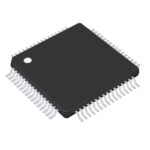 7005L35PF8

The activity of extra discounts on wholesale prices is in full swing…
Please fill in your contact information and we will send you the latest wholesale price list.





