ChipApex | Global Electronic Components Supplier

SEARCH
Search Product
Search Post
— IC芯片 | 连接器 | 传感器 | 被动器件 —
Search productSearch post
— IC芯片 | 连接器 | 传感器 | 被动器件 —
Consult the customer manager about the wholesale price.
consultation hotline:86-132-6715-2157
email:[email protected]
Contact the product manager for consultation. One-stop consultation is available.
Do you want a lower wholesale price? Please send us your inquiry and we will reply immediately.
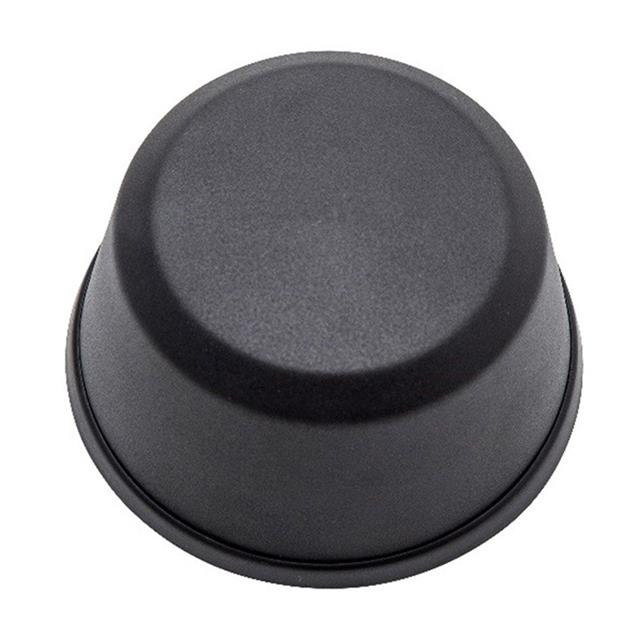
The Amphenol PCTEL 710657 is a broadband RF antenna module designed for multi-standard wireless connectivity. It supports frequency bands including 446MHz–512MHz, 617MHz–698MHz, 698MHz–802MHz, 733MHz–802MHz, 824MHz–960MHz, 1.559GHz–1.608GHz, 1.71GHz–2.2GHz, 1.805GHz–2.2GHz, 2.4GHz–2.5GHz, 2.3GHz–2.69GHz, 3.4GHz–3.8GHz, 4.9GHz–5.9GHz, and 5.15GHz–5.95GHz. The unit features a screw mount installation type and includes an integrated Low Noise Amplifier (LNA). It is rated for a maximum power of 50 W and offers IP67 ingress protection. The antenna utilizes SMA connectors for interfacing.
Verify the specific connector configuration and LNA specifications against the official datasheet prior to integration. Confirm that the screw mount dimensions align with the intended enclosure or panel structure. Ensure the operating temperature range meets the deployment environment requirements. Cross-reference the part number with the manufacturer's current product status to confirm availability and compliance with relevant regulatory standards such as RoHS.
Select this model when a single broadband solution is required to cover diverse cellular, M2M, and Wi-Fi frequency ranges. The integrated LNA makes it suitable for applications requiring improved sensitivity in noisy environments. The IP67 rating indicates suitability for harsh outdoor or industrial settings where dust and water resistance are critical. Consider the screw mount style if panel mounting is preferred over stud or magnetic base options.
This component belongs to the Trooper™ Max series by Amphenol PCTEL, which focuses on industrial IoT and rugged wireless connectivity solutions. The series is designed to provide reliable performance across various global frequency allocations. As an Amphenol company product, PCTEL specializes in purpose-built antennas for critical wireless infrastructure.
Consult the official Amphenol PCTEL documentation for direct substitute part numbers within the Trooper™ Max family. Verify compatibility of mounting interfaces and connector types before substituting.
 710657

The activity of extra discounts on wholesale prices is in full swing…
Please fill in your contact information and we will send you the latest wholesale price list.