ChipApex | Global Electronic Components Supplier
SEARCH
Search Product
Search Post
— IC芯片 | 连接器 | 传感器 | 被动器件 —
Search productSearch post
— IC芯片 | 连接器 | 传感器 | 被动器件 —
Consult the customer manager about the wholesale price.
consultation hotline:86-132-6715-2157
email:[email protected]
Contact the product manager for consultation. One-stop consultation is available.
Do you want a lower wholesale price? Please send us your inquiry and we will reply immediately.
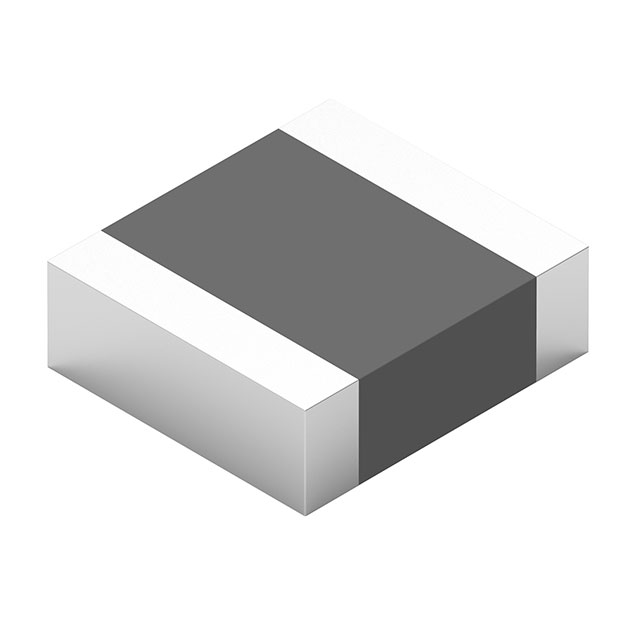
The Würth Elektronik part number 7427928801 is a Surface Mount Technology (SMT) EMI suppression ferrite bead belonging to the WE-CBF series. It is housed in a 2220 (5750 metric) package with dimensions of 5.7 mm length, 5.0 mm width, and 1.6 mm height. The component exhibits an impedance of 800 Ω at a test frequency of 100 MHz. It supports a maximum DC current rating of 8 A and features a maximum DC resistance of 0.01 Ω. The device operates within a temperature range of -55°C to +125°C and complies with AEC-Q200 automotive qualification standards.
Verify the specific impedance tolerance and DC resistance values against the official manufacturer datasheet prior to ordering. Confirm that the 2220 package dimensions align with the target PCB footprint. Ensure the selected variant meets the required AEC-Q200 reliability standards if intended for automotive use. Cross-reference the part number with authorized distributors to confirm availability and authenticity.
Select this component when high current handling up to 8 A is required alongside significant EMI attenuation. The low DC resistance minimizes power loss in high-current paths. Consider the 2220 package size constraints during layout design. Verify thermal performance requirements against the specified operating temperature range of -55°C to +125°C for the intended application environment.
This ferrite bead belongs to the WE-CBF series from Würth Elektronik, which specializes in SMT EMI suppression components. The series offers various impedance and current ratings across different package sizes. The 7427928801 variant specifically targets high-current applications requiring robust noise suppression in a standardized surface mount form factor suitable for automated assembly processes.
Consult the official Wurth Elektronik selection guide or distributor databases for direct substitutes within the WE-CBF family. Identify alternatives based on matching impedance at 100 MHz, current rating, and package dimensions. Verify compatibility with existing PCB footprints and thermal management requirements before substitution.
 7427928801
The activity of extra discounts on wholesale prices is in full swing…
Please fill in your contact information and we will send you the latest wholesale price list.