ChipApex | Global Electronic Components Supplier
SEARCH
Search Product
Search Post
— IC芯片 | 连接器 | 传感器 | 被动器件 —
Search productSearch post
— IC芯片 | 连接器 | 传感器 | 被动器件 —
Consult the customer manager about the wholesale price.
consultation hotline:86-132-6715-2157
email:[email protected]
Contact the product manager for consultation. One-stop consultation is available.
Do you want a lower wholesale price? Please send us your inquiry and we will reply immediately.
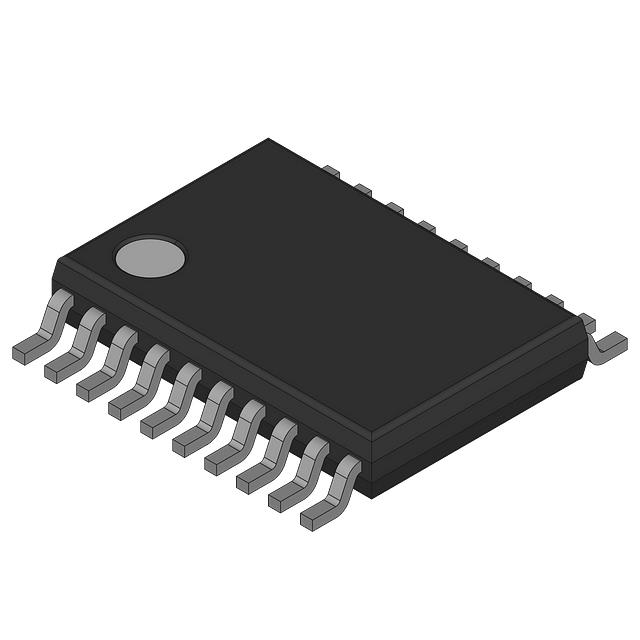
The 74LVC273PW,112 is a D-type edge-triggered flip-flop from the Nexperia 74LVC family. It features eight D inputs and eight Q outputs with an active-low master reset. The device operates within a supply voltage range of 1.65 V to 3.6 V. It utilizes a TSSOP20 surface-mount package. The component supports high-speed operation with propagation delays specified at 3.3 V. It includes overvoltage tolerant inputs and complies with JEDEC standards for low-voltage CMOS logic.
Verify the specific suffix '112' against official Nexperia documentation to confirm the exact tape-and-reel packaging configuration and moisture sensitivity level. Ensure compatibility with standard reflow soldering profiles for TSSOP packages. Cross-reference the manufacturer part number with authorized distributor catalogs to confirm current production status and availability constraints prior to finalizing procurement plans.
Select this component when eight-bit parallel data latching is required within low-voltage logic environments. The 74LVC series offers a balance of speed and power consumption suitable for portable and battery-operated devices. Consider the TSSOP20 package dimensions for PCB layout constraints. Verify that the system operating voltage falls within the 1.65 V to 3.6 V range to ensure reliable operation and adherence to electrical specifications.
This component belongs to the 74LVC logic family, designed for low-voltage applications ranging from 1.65 V to 3.6 V. The 74LVC273 variant specifically provides octal D-type flip-flops with a common clock and master reset. The PW suffix indicates the TSSOP20 plastic thermal shrink package, which is optimized for surface-mount technology and high-density PCB assembly requirements in modern electronic designs.
The 74LVC273D,118 is a confirmed substitute part number offering identical logical functionality in a SOIC-20 package. Designers must verify pinout compatibility and physical footprint differences between the TSSOP20 and SOIC-20 packages before implementing any substitution in existing hardware designs.
 74LVC273PW,112
The activity of extra discounts on wholesale prices is in full swing…
Please fill in your contact information and we will send you the latest wholesale price list.