 ChipApex | Global Electronic Components Supplier
SEARCH
Search Product
Search Post
— IC芯片 | 连接器 | 传感器 | 被动器件 —
Search productSearch post
— IC芯片 | 连接器 | 传感器 | 被动器件 —
Consult the customer manager about the wholesale price.
consultation hotline:86-132-6715-2157
email:[email protected]
Contact the product manager for consultation. One-stop consultation is available.
Do you want a lower wholesale price? Please send us your inquiry and we will reply immediately.
The Texas Instruments SN54ALS574B (84001012A) is an octal D-type edge-triggered flip-flop with 3-state outputs, designed for bus driving applications. It operates within a supply voltage range of 2V to 6V and supports data rates up to 90MHz. The device features low power consumption typical of ALS logic, with input/output levels compatible with standard TTL interfaces. It is housed in a 20-pin ceramic flat package suitable for high-reliability environments.
Verify the specific manufacturer part number prefix SN54ALS574B against the requested 84001012A identifier, as the latter may refer to a distributor-specific or legacy catalog code. Confirm package type compatibility, particularly regarding the 20-pin ceramic flat configuration, to ensure proper mechanical fit. Check for RoHS compliance status if required by your manufacturing standards, noting that older ALS series components may have different environmental certifications compared to modern equivalents.
Select this component when designing systems requiring octal data latching with tri-state bus isolation. Ensure the application environment supports the operating temperature range specified for military-grade variants. Consider the propagation delay characteristics relative to system clock speeds to maintain timing integrity. Verify that the 3-state outputs align with the bus architecture's impedance requirements and drive capabilities.
This component belongs to the Texas Instruments SN54/74ALS series of logic devices, known for advanced low-power Schottky technology. The SN54 variant indicates military-grade reliability and extended temperature ranges, distinguishing it from commercial grade parts. It serves as a fundamental building block for sequential logic circuits in digital systems.
Public confirmed substitute part numbers include SN54ALS574J and SN54ALS574FK. These alternatives offer similar functional specifications and pin configurations. Verify electrical parameters and package dimensions before substitution to ensure compatibility with existing board layouts and system requirements.
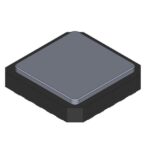 84001012A
The activity of extra discounts on wholesale prices is in full swing…
Please fill in your contact information and we will send you the latest wholesale price list.





