 ChipApex | Global Electronic Components Supplier
SEARCH
Search Product
Search Post
— IC芯片 | 连接器 | 传感器 | 被动器件 —
Search productSearch post
— IC芯片 | 连接器 | 传感器 | 被动器件 —
Consult the customer manager about the wholesale price.
consultation hotline:86-132-6715-2157
email:[email protected]
Contact the product manager for consultation. One-stop consultation is available.
Do you want a lower wholesale price? Please send us your inquiry and we will reply immediately.
The Advantech 96MPXE-2.0-27M36 is an embedded server processor based on the Intel Xeon Scalable family, specifically utilizing the Skylake architecture and code-named Gold 6138. It features a FCLGA-3647 package with 20 cores and 40 threads, operating at a base frequency of 2.0 GHz with a maximum turbo frequency up to 3.7 GHz. The processor includes 27.5 MB of L3 cache and supports DDR4 memory channels. Designed for high-performance computing environments, it offers robust virtualization capabilities and error-correcting code support.
Verify component authenticity through official manufacturer channels or authorized distributors. Confirm specific revision levels and packaging details against current datasheets. Ensure compatibility with existing motherboard designs and cooling solutions before procurement. Check for any regional supply restrictions or end-of-life notifications that may affect long-term availability.
Select this model for applications requiring high core counts and substantial cache memory within the Skylake generation. Evaluate thermal requirements carefully as performance scales with clock speeds. Consider system board compatibility with the FCLGA-3647 socket. Compare against newer generations if future-proofing is a priority, noting architectural differences in instruction sets and memory bandwidth capabilities.
This component belongs to the Advantech 96MPXE series, which integrates Intel Xeon Scalable processors into embedded and industrial computing platforms. The series targets demanding workloads requiring reliability and computational throughput. It serves as a critical processing unit for systems needing scalable performance without compromising on stability or extended lifecycle support typical of industrial-grade hardware solutions.
Direct replacements include other models from the same 96MPXE series such as 96MPXE-2.0-27M36A or variants with different core counts like 96MPXE-2.1-22M36. Verify pinout and thermal design power compatibility when substituting. Newer generation processors may require updated BIOS or platform firmware.
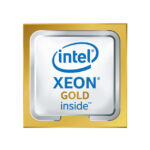 96MPXE-2.0-27M36
The activity of extra discounts on wholesale prices is in full swing…
Please fill in your contact information and we will send you the latest wholesale price list.





