 ChipApex | Global Electronic Components Supplier

SEARCH
Search Product
Search Post
— IC芯片 | 连接器 | 传感器 | 被动器件 —
Search productSearch post
— IC芯片 | 连接器 | 传感器 | 被动器件 —
Consult the customer manager about the wholesale price.
consultation hotline:86-132-6715-2157
email:[email protected]
Contact the product manager for consultation. One-stop consultation is available.
Do you want a lower wholesale price? Please send us your inquiry and we will reply immediately.
The A3PN060-2VQG100I is a ProASIC3 Nano field-programmable gate array manufactured by Microchip Technology. It features 700 logic elements and 60,000 gates within a 100-VQFP package. The device operates with a supply voltage range of 1.425 V to 1.575 V and supports up to 71 I/O pins. It achieves a maximum operating frequency of 350 MHz and functions within an industrial temperature range of -40°C to +100°C. The component includes 18 kbit of embedded memory and exhibits moisture sensitivity level 3.
Verify the suffix '2' indicates the extended industrial temperature range (-40°C to +100°C) compared to commercial variants. Confirm RoHS compliance status as specifications may vary by production batch. Ensure ESD handling protocols are followed due to moisture sensitivity classification. Cross-reference the specific datasheet revision for any recent design changes or pinout updates before finalizing procurement orders.
Select this variant when an industrial temperature range is required alongside non-volatile flash technology. Compare against the A3PN060-VQG100I if a higher maximum junction temperature of 100°C is acceptable but commercial grade suffices. Evaluate the A3PN060-2VQ100I if a smaller QFP package is preferred over the VQFP form factor. Consider total system power consumption constraints given the 1.5 V core voltage requirements.
This component belongs to the Microchip ProASIC3 Nano family, designed for low-power, cost-sensitive applications requiring small form factors. The series combines ASIC performance with FPGA flexibility using flash technology. The A3PN060 model represents the entry-level density tier within this nano-class portfolio, offering a balance of logic resources and pin count for compact designs.
Direct functional substitutes include other A3PN060 variants with compatible packages such as A3PN060-VQG100I. Verify temperature ratings match application requirements when considering commercial grade alternatives. No cross-manufacturer direct replacements exist due to proprietary flash architecture differences.
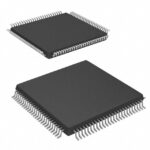 A3PN060-2VQG100I

The activity of extra discounts on wholesale prices is in full swing…
Please fill in your contact information and we will send you the latest wholesale price list.






