ChipApex | Global Electronic Components Supplier
SEARCH
Search Product
Search Post
— IC芯片 | 连接器 | 传感器 | 被动器件 —
Search productSearch post
— IC芯片 | 连接器 | 传感器 | 被动器件 —
Consult the customer manager about the wholesale price.
consultation hotline:86-132-6715-2157
email:[email protected]
Contact the product manager for consultation. One-stop consultation is available.
Do you want a lower wholesale price? Please send us your inquiry and we will reply immediately.
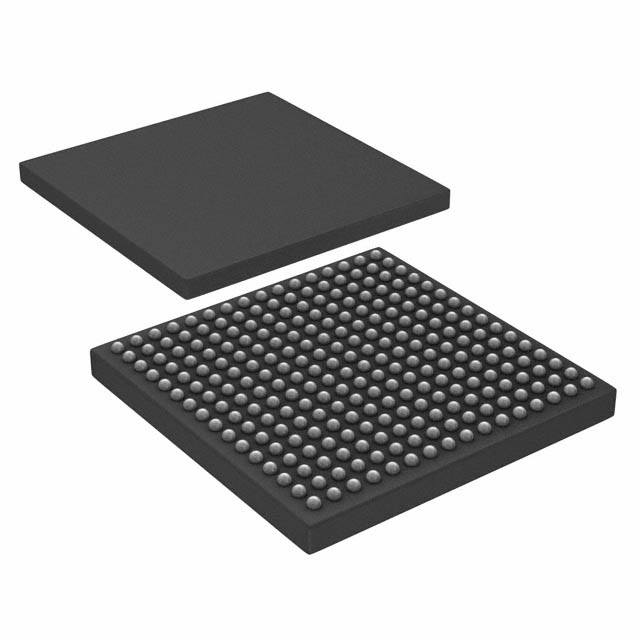
The A54SX72A-FFGG256 is a Field Programmable Gate Array from the SX-A family, manufactured by Microchip Technology. It features 108,000 system gates and 6,036 configurable logic blocks (CLBs). The device supports up to 203 user I/Os and includes 4,024 dedicated flip-flops. It operates within a supply voltage range of 2.25 V to 5.25 V and functions at temperatures between -40°C and +85°C. Packaged in a 256-pin Fine Pitch Ball Grid Array (FBGA), it utilizes antifuse technology for nonvolatile configuration.
Verify component authenticity through authorized Microchip distributors or certified agents. Confirm that the specific ordering suffix matches the required speed grade and temperature range. Ensure proper handling procedures are followed due to moisture sensitivity classification. Review the latest datasheet revisions for any updates regarding pin assignments or electrical characteristics prior to final procurement decisions.
Select this model when high gate density and robust I/O flexibility are required for complex logic designs. Consider the antifuse architecture for permanent configuration needs where reprogramming is unnecessary. Evaluate the specific speed grade requirements against the standard performance metrics. Ensure the 256-pin FBGA package fits the available PCB real estate and thermal constraints of the target application environment.
This component belongs to the Actel SX-A FPGA family, which was originally developed by Actel Corporation before being acquired by Microchip Technology. The SX-A series is characterized by its use of antifuse technology rather than SRAM-based configuration, providing inherent security and nonvolatile storage. This specific part represents one of the higher-density devices within the commercial and industrial temperature grade offerings of that generation.
Direct replacements may include other A54SX72A variants with different speed grades or packages, such as A54SX72A-FG256I. Verify compatibility with existing design tools and ensure that any substitute maintains the same pinout and electrical specifications. Cross-reference with current Microchip product portfolios for potential next-generation alternatives if long-term availability is a concern.
 A54SX72A-FFGG256
The activity of extra discounts on wholesale prices is in full swing…
Please fill in your contact information and we will send you the latest wholesale price list.