ChipApex | Global Electronic Components Supplier
SEARCH
Search Product
Search Post
— IC芯片 | 连接器 | 传感器 | 被动器件 —
Search productSearch post
— IC芯片 | 连接器 | 传感器 | 被动器件 —
Consult the customer manager about the wholesale price.
consultation hotline:86-132-6715-2157
email:[email protected]
Contact the product manager for consultation. One-stop consultation is available.
Do you want a lower wholesale price? Please send us your inquiry and we will reply immediately.
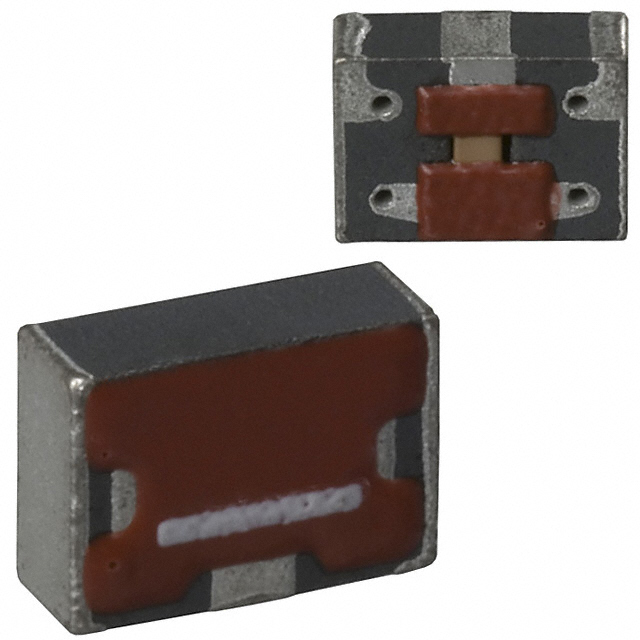
The ACF451832-330-TLD01 is a signal line EMI filter circuit manufactured by TDK Corporation. It features an LC (T-type) filter topology designed for high attenuation characteristics with magnetic shielding using ferrite materials. The component operates within a voltage rating of 50 V and supports a current rating of 300 mA. It utilizes surface mount technology in an 1812 (4532 metric) package, measuring 4.5 x 3.2 x 1.8 mm. The device functions effectively at frequencies up to 460 MHz or 550 MHz depending on specific configuration variants, with an operating temperature range spanning from -25°C to 85°C.
Verify the exact suffix and revision code against the manufacturer's official datasheet before procurement, as variations exist within the ACF series. Confirm availability status directly with authorized distributors, as some listings indicate obsolete or limited stock conditions. Ensure the selected variant matches the required frequency cutoff and current handling specifications for the target application design.
Select this component when designing circuits requiring robust EMI suppression for signal lines in space-constrained environments. The 1812 package size offers a balance between thermal performance and footprint efficiency. Consider the 300 mA current rating and 50 V voltage limit to ensure safe operation under maximum load conditions without exceeding component ratings.
This component belongs to the TDK ACF series of EMI filters, which are engineered for high-performance noise reduction in modern electronic systems. The series utilizes advanced ferrite materials to provide effective magnetic shielding, distinguishing it from standard unshielded filters. These components are integral to maintaining signal integrity in high-speed data transmission applications where electromagnetic interference must be strictly controlled.
Consult the official TDK replacement guide for verified substitute part numbers. Cross-referencing with similar models such as the ACF451832-470-T may require validation of electrical parameters to ensure compatibility with existing circuit designs.
 ACF451832-330-TLD01
The activity of extra discounts on wholesale prices is in full swing…
Please fill in your contact information and we will send you the latest wholesale price list.