ChipApex | Global Electronic Components Supplier
SEARCH
Search Product
Search Post
— IC芯片 | 连接器 | 传感器 | 被动器件 —
Search productSearch post
— IC芯片 | 连接器 | 传感器 | 被动器件 —
Consult the customer manager about the wholesale price.
consultation hotline:86-132-6715-2157
email:[email protected]
Contact the product manager for consultation. One-stop consultation is available.
Do you want a lower wholesale price? Please send us your inquiry and we will reply immediately.
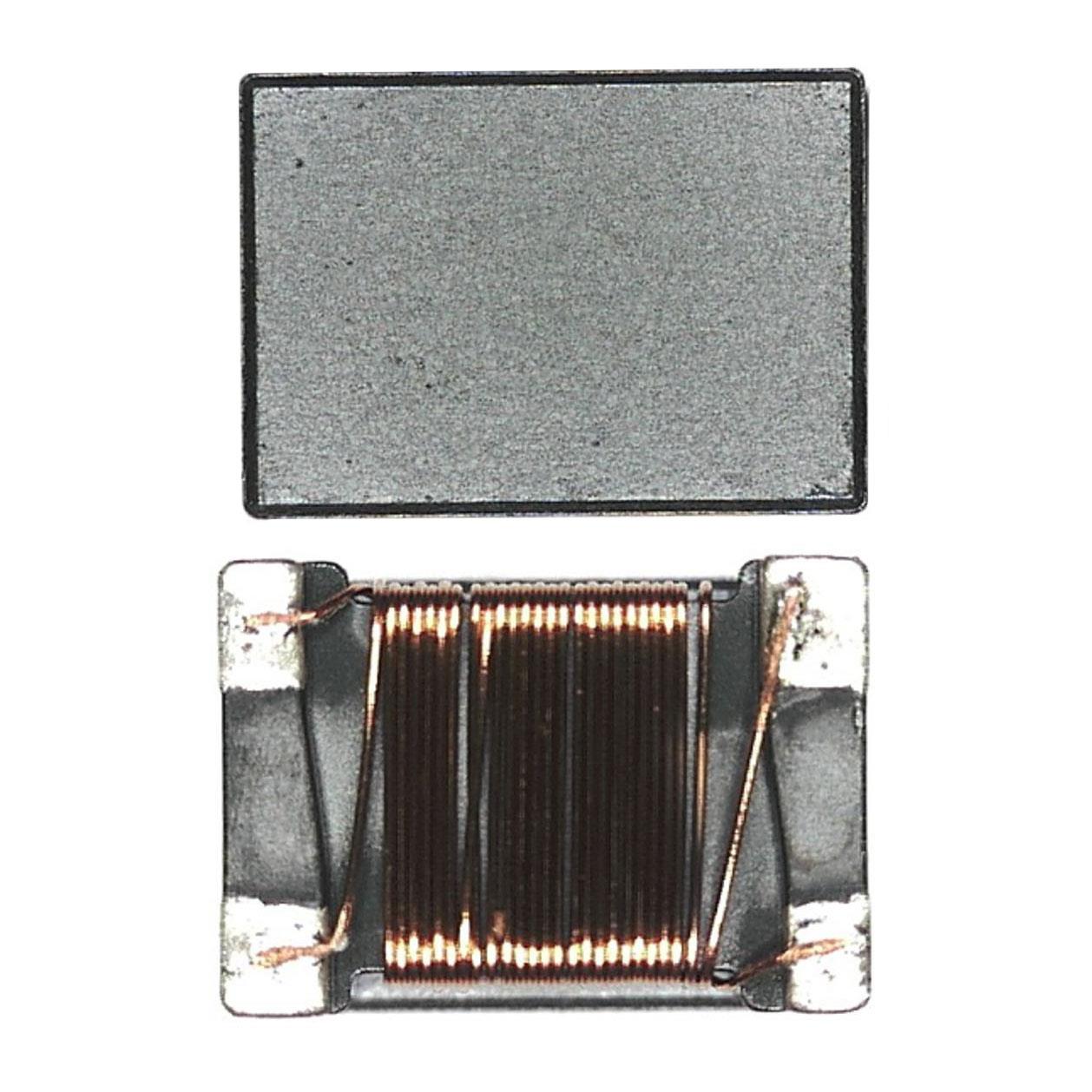
The ACMP-3225-900-T is a surface-mount common mode filter choke manufactured by Abracon LLC. It operates within a temperature range of -40°C to +125°C and features a ferrite core material. The component provides an impedance of 90 ohms at a test frequency of 100 MHz. It supports a maximum DC current rating of 1 A with a maximum DC resistance of 50 milliohms. The device utilizes a two-line configuration for noise suppression in compact electronic designs.
Verify the specific impedance tolerance and DC resistance values against the official Abracon datasheet prior to integration. Confirm that the operating temperature range meets the environmental requirements of the final assembly. Ensure compatibility with standard reflow soldering profiles for surface-mount components to maintain electrical integrity and mechanical stability during production.
Select this component when a low-profile, two-line common mode choke is required for frequencies around 100 MHz. The 1 A current rating suits moderate power applications, while the 50 milliohm DCR minimizes voltage drop. Consider the 3.2x2.5 mm package size for dense board layouts where larger chokes cannot fit. Evaluate thermal performance under continuous load conditions to ensure reliability within the specified temperature limits.
This part belongs to Abracon's ACMP series of common mode chokes, designed for EMI suppression in portable and industrial devices. The series offers various impedance and current ratings in standardized SMD packages. The ACMP-3225 variant specifically targets applications needing compact noise filtering solutions without compromising current handling capabilities or high-frequency performance characteristics.
Cross-reference with other 90-ohm, 1-A common mode chokes in the 3225 package from manufacturers like Murata or TDK. Verify pinout compatibility and physical dimensions before substitution. Ensure equivalent impedance curves and saturation current ratings match the original design requirements to prevent signal degradation or thermal issues.
 ACMP-3225-900-T
The activity of extra discounts on wholesale prices is in full swing…
Please fill in your contact information and we will send you the latest wholesale price list.