ChipApex | Global Electronic Components Supplier

SEARCH
Search Product
Search Post
— IC芯片 | 连接器 | 传感器 | 被动器件 —
Search productSearch post
— IC芯片 | 连接器 | 传感器 | 被动器件 —
Consult the customer manager about the wholesale price.
consultation hotline:86-132-6715-2157
email:[email protected]
Contact the product manager for consultation. One-stop consultation is available.
Do you want a lower wholesale price? Please send us your inquiry and we will reply immediately.
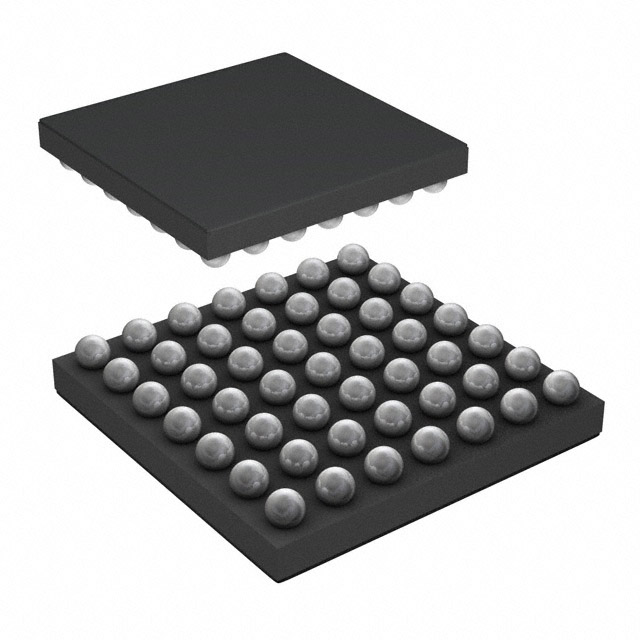
The AD5767BCBZ-RL7 is a 16-channel, 12-bit voltage output denseDAC from Analog Devices. It generates output voltage ranges from an external 2.5 V reference, supporting spans such as −20 V to 0 V and ±10 V. Integrated output buffers provide ±20 mA current capability. The device features two dither signal input pins (N0, N1) for superimposing low-frequency signals and includes a channel monitoring multiplexer. It utilizes a versatile 4-wire serial interface compatible with SPI standards, operating at clock rates up to 50 MHz in write mode. The component operates within a temperature range of −40°C to +105°C.
Verify the specific ordering suffix RL7 corresponds to the reel packaging configuration required for production integration. Confirm that the BC sub-code indicates the industrial temperature grade (-40°C to +105°C). Ensure the external 2.5 V reference voltage meets the specified tolerance for optimal performance. Check compatibility with the 4 mm x 4 mm WLCSP package footprint during PCB layout.
Select this model over the AD5766 if 12-bit resolution is sufficient, as it offers tighter relative accuracy specifications compared to the 16-bit variant. Ensure the system design accommodates the four required power supplies: AVCC, AVDD, AVSS, and VLOGIC. Verify that the external reference voltage source can maintain stability within the 2.375 V to 2.625 V functional range. Consider the thermal resistance characteristics when designing heat dissipation for the WLCSP package.
This component belongs to the AD5766/AD5767 denseDAC family, which shares identical pinouts and core functionality but differs in resolution. The AD5767 provides 12-bit precision, whereas the AD5766 offers 16-bit resolution. Both devices utilize the same 49-ball WLCSP and 40-lead LFCSP packages. The family is designed for high-density applications requiring multiple independent voltage outputs with integrated buffering.
The AD5766BCBZ-RL7 is a direct pin-compatible alternative offering higher 16-bit resolution. Other 16-channel DACs may require significant schematic and layout modifications due to differing pin configurations or interface protocols.
 AD5767BCBZ-RL7

The activity of extra discounts on wholesale prices is in full swing…
Please fill in your contact information and we will send you the latest wholesale price list.