ChipApex | Global Electronic Components Supplier
SEARCH
Search Product
Search Post
— IC芯片 | 连接器 | 传感器 | 被动器件 —
Search productSearch post
— IC芯片 | 连接器 | 传感器 | 被动器件 —
Consult the customer manager about the wholesale price.
consultation hotline:86-132-6715-2157
email:[email protected]
Contact the product manager for consultation. One-stop consultation is available.
Do you want a lower wholesale price? Please send us your inquiry and we will reply immediately.
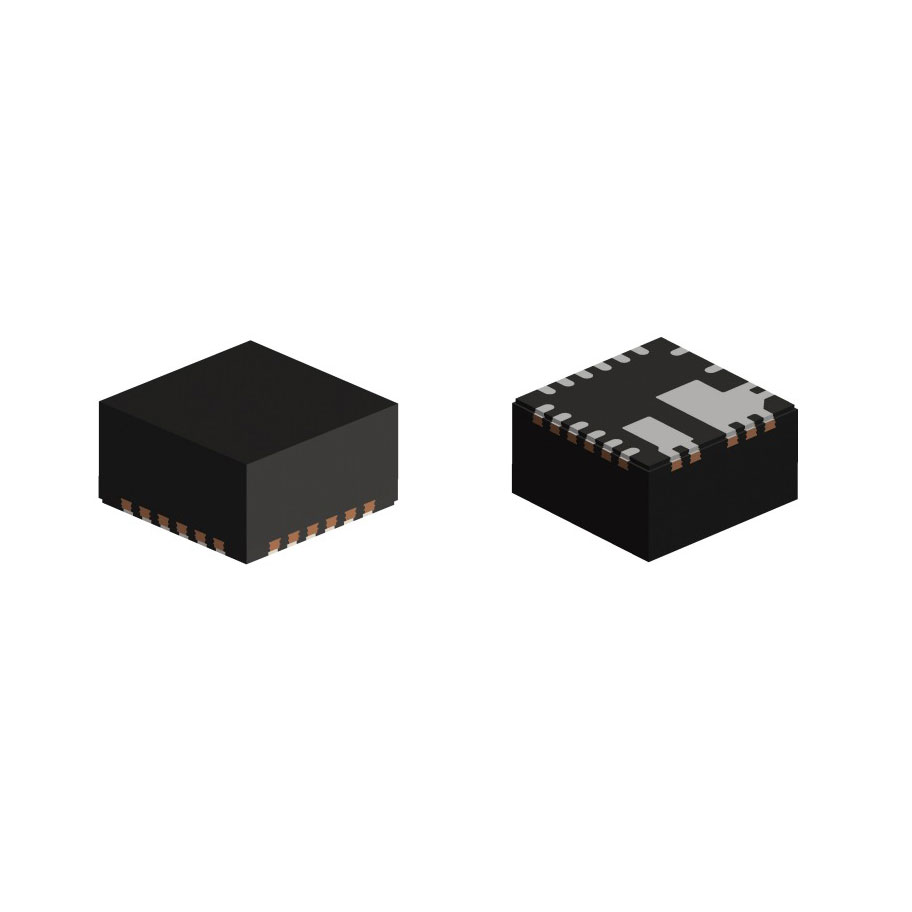
The APM81803KNBJSR is a synchronous buck regulator from Allegro MicroSystems, housed in a 24-QFN package. It supports an input voltage range of 3.5 V to 36 V and delivers up to 3 A output current. The device features an adjustable switching frequency between 250 kHz and 2.4 MHz and offers an output voltage range of 800 mV to 24 V. With a quiescent current of 6 uA, it ensures high efficiency across varying loads. Operating temperatures span from -40°C to +150°C, and the component holds AEC-Q100 automotive qualification.
Verify the specific suffix 'KNBJSR' against the official Allegro datasheet to confirm pinout, thermal pad configuration, and marking details. Ensure that the required packaging format matches the available reel or cut tape options. Confirm that the intended application environment aligns with the specified operating temperature range and humidity sensitivity level before finalizing procurement orders.
Select this component when a wide input voltage range up to 36 V is required alongside a 3 A continuous output capability. The ultralow quiescent current makes it suitable for applications demanding minimal standby power consumption. Consider the 24-QFN package for space-constrained designs requiring robust thermal performance. Verify that the adjustable switching frequency meets the electromagnetic interference requirements of the target system.
This part belongs to the APM81803 series of synchronous buck regulators designed by Allegro MicroSystems. The series focuses on providing efficient power conversion solutions for automotive and industrial applications. The KNBJSR designation specifies the particular package type and terminal configuration within this product family, ensuring compatibility with standard surface-mount assembly processes.
Consult the Allegro MicroSystems official documentation for direct cross-reference part numbers. Verify electrical parameter compatibility, including input voltage limits and output current ratings, before substituting any alternative components. Ensure that the replacement device maintains the same package footprint and pin assignment to avoid board redesign.
 APM81803KNBJSR
The activity of extra discounts on wholesale prices is in full swing…
Please fill in your contact information and we will send you the latest wholesale price list.