ChipApex | Global Electronic Components Supplier
SEARCH
Search Product
Search Post
— IC芯片 | 连接器 | 传感器 | 被动器件 —
Search productSearch post
— IC芯片 | 连接器 | 传感器 | 被动器件 —
Consult the customer manager about the wholesale price.
consultation hotline:86-132-6715-2157
email:[email protected]
Contact the product manager for consultation. One-stop consultation is available.
Do you want a lower wholesale price? Please send us your inquiry and we will reply immediately.
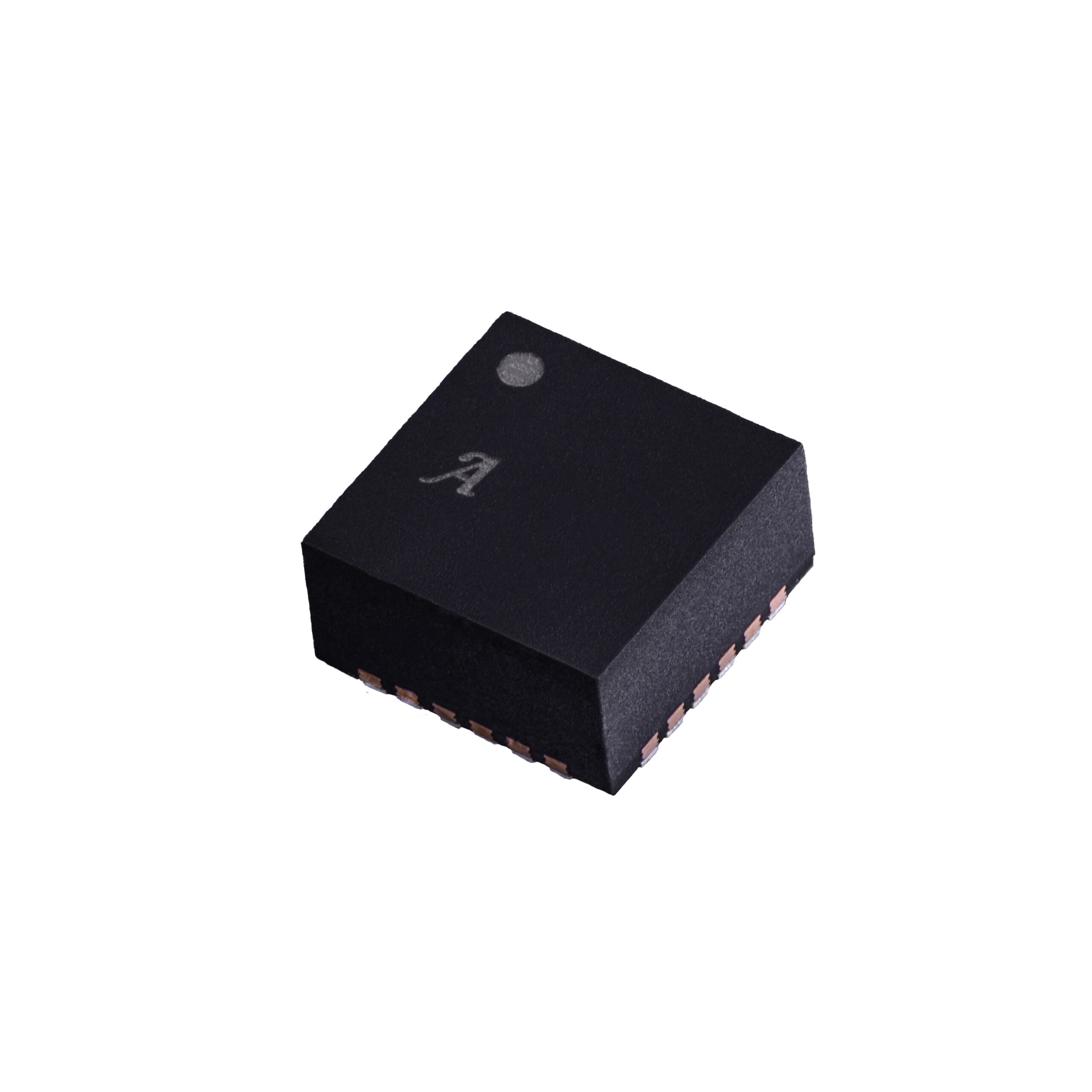
The APM81815KNBJTR is a synchronous buck DC-DC regulator from Allegro MicroSystems, designed for high-voltage input applications. It operates with an input voltage range of 5 V to 72 V and delivers up to 1.5 A output current. The device supports fixed output voltages including 3.3 V, 5 V, 5.35 V, and 12 V. Key electrical parameters include a quiescent current of 24 uA during operation and 28 uA in standby, with a switching frequency of 2.15 MHz. It functions within a temperature range of -40°C to +150°C and is housed in a QFN-24 package.
Verify the complete part number against official Allegro MicroSystems documentation to ensure correct suffix alignment. Confirm that the specific output voltage variant matches the design requirement, as the series offers multiple fixed options. Check moisture sensitivity levels and reflow soldering profiles prior to assembly to maintain component integrity during manufacturing processes.
Select this component when a wide input voltage range up to 72 V is required alongside moderate current delivery. The fixed 2.15 MHz switching frequency allows for optimized passive component sizing compared to lower-frequency alternatives. Ensure the application environment supports the specified operating temperature range and that the QFN-24 package footprint aligns with the PCB layout constraints.
This regulator belongs to the APM81815 series, which targets automotive and industrial markets requiring reliable power management under harsh conditions. The series emphasizes EMI performance and efficiency in high-voltage environments. It complements other Allegro PMIC solutions by providing a dedicated step-down regulation path for subsystems needing stable voltage from variable or high-input sources.
Direct pin-to-pin replacements are not explicitly confirmed in public datasheets for this specific suffix. Evaluate alternative Allegro buck regulators with similar input ranges and current capabilities, ensuring compatibility with the existing control loop and thermal design requirements before substitution.
 APM81815KNBJTR
The activity of extra discounts on wholesale prices is in full swing…
Please fill in your contact information and we will send you the latest wholesale price list.