 ChipApex | Global Electronic Components Supplier
SEARCH
Search Product
Search Post
— IC芯片 | 连接器 | 传感器 | 被动器件 —
Search productSearch post
— IC芯片 | 连接器 | 传感器 | 被动器件 —
Consult the customer manager about the wholesale price.
consultation hotline:86-132-6715-2157
email:[email protected]
Contact the product manager for consultation. One-stop consultation is available.
Do you want a lower wholesale price? Please send us your inquiry and we will reply immediately.
The Panasonic APT1211W is a Triac and SCR output optocoupler designed for AC switching applications. It features a Phototriac Coupler configuration with a DIP-4 package. Key electrical parameters include a maximum load voltage of 600V, a peak repetitive off-state current of 100mA, and a gate trigger voltage of 50V. The device provides galvanic isolation with a rating of 5000Vrms. It operates within a temperature range of -40°C to 100°C and supports through-hole PCB installation.
Verify the specific suffix 'W' against the manufacturer's latest datasheet to confirm packaging variations or regional compliance differences. Ensure the procurement channel sources directly from authorized distributors to guarantee component authenticity and traceability. Cross-reference the part number with official Panasonic Electric Works documentation to confirm current production status and lead time requirements before finalizing orders.
Select this component when high isolation voltage and low noise are required for AC load control. The 600V rating suits standard mains applications, while the 100mA output current limits suitability to low-power loads. Consider thermal management requirements given the operating temperature range. Verify that the control circuit can provide sufficient current to trigger the internal LED effectively within the specified voltage constraints.
The APT1211W belongs to the APT series of solid-state relays and optocouplers manufactured by Panasonic Electric Works. This series focuses on reliable AC switching solutions using phototriac technology. The component serves as a critical interface in modern electronics, enabling safe control of high-voltage AC systems from low-voltage digital logic without direct electrical connection.
Public confirmed substitute part numbers are not available in the provided source material. Consult Panasonic Electric Works technical support or authorized distributor catalogs for verified cross-references based on specific electrical and mechanical compatibility requirements.
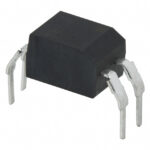 APT1211W
The activity of extra discounts on wholesale prices is in full swing…
Please fill in your contact information and we will send you the latest wholesale price list.





