 ChipApex | Global Electronic Components Supplier
SEARCH
Search Product
Search Post
— IC芯片 | 连接器 | 传感器 | 被动器件 —
Search productSearch post
— IC芯片 | 连接器 | 传感器 | 被动器件 —
Consult the customer manager about the wholesale price.
consultation hotline:86-132-6715-2157
email:[email protected]
Contact the product manager for consultation. One-stop consultation is available.
Do you want a lower wholesale price? Please send us your inquiry and we will reply immediately.
The ARD55105CQ is a single-pole double-throw (SPDT) coaxial RF switch manufactured by Panasonic Electric Works. Designed for high-frequency applications, this component operates with a test frequency of 26.5GHz and maintains a characteristic impedance of 50 Ohms. It requires a supply voltage of 5V and functions within an operating temperature range of -55°C to 85°C ambient temperature. Key electrical specifications include a maximum insertion loss of 0.8dB and a minimum isolation of 55dB. The device is housed in a module package with pin contacts.
Verify the specific datasheet version provided by Panasonic Electric Works to confirm current manufacturing status and detailed mechanical dimensions. Ensure that thermal management considerations are addressed, as connector heat generation may influence connection usability under actual operating conditions. Cross-reference official documentation for any updates regarding compliance standards or recommended operating parameters before integration.
Select this component when a compact SPDT switch is required for frequencies up to 26.5GHz with strict isolation requirements. The 50 Ohm impedance matches standard RF transmission lines. Consider the module package type for PCB layout compatibility. Evaluate the 5V supply requirement against available power rails. Confirm that the -55°C to 85°C temperature range aligns with the environmental conditions of the target application.
The ARD55105CQ belongs to the ARD series of coaxial switches from Panasonic Electric Works. This series focuses on providing reliable RF switching solutions for wireless communication technologies. The component integrates switching functionality into a module format, facilitating easier integration into dense electronic assemblies compared to discrete switch implementations.
Consult official Panasonic Electric Works documentation for verified alternate part numbers within the ARD series. Do not assume functional equivalence with generic RF switches without verifying impedance, frequency range, and isolation specifications.
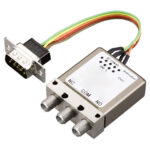 ARD55105CQ
The activity of extra discounts on wholesale prices is in full swing…
Please fill in your contact information and we will send you the latest wholesale price list.





