ChipApex | Global Electronic Components Supplier
SEARCH
Search Product
Search Post
— IC芯片 | 连接器 | 传感器 | 被动器件 —
Search productSearch post
— IC芯片 | 连接器 | 传感器 | 被动器件 —
Consult the customer manager about the wholesale price.
consultation hotline:86-132-6715-2157
email:[email protected]
Contact the product manager for consultation. One-stop consultation is available.
Do you want a lower wholesale price? Please send us your inquiry and we will reply immediately.
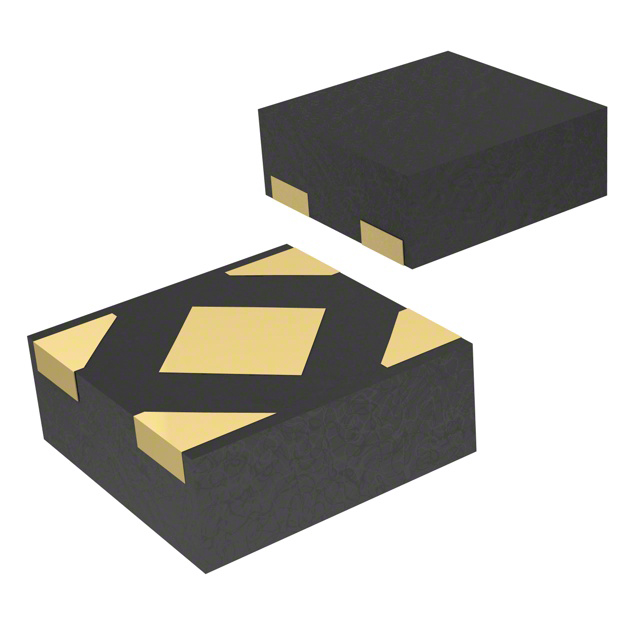
The ATL431LIAQDQNR is a low-quiescent current programmable shunt regulator from the ATL431LI series, manufactured by Texas Instruments. It operates within a cathode voltage range of 2.5 V to 36 V and features an initial accuracy of 1%. The device has a maximum series reference input voltage of 36 V and a maximum shunt current of 15 mA. It functions reliably across a temperature range of -40°C to +125°C with a temperature coefficient of 66 ppm/°C. The component is housed in an X2SON-4 surface-mount package and is supplied in reel packaging.
Verify the specific ATL431LI datasheet for detailed electrical characteristics and thermal performance data before finalizing design integration. Confirm that the X2SON-4 package dimensions align with your PCB footprint requirements. Ensure that the 1% initial accuracy specification meets your system's tolerance needs. Check for any recent Product Change Notifications (PCNs) regarding assembly sites or marking updates to maintain supply chain consistency.
Select this component when automotive qualification and wide temperature stability are required alongside low power consumption. The ATL431LI series offers improved performance over standard TL431 variants. Consider the X2SON-4 package size constraints during layout planning. Verify that the 15 mA maximum shunt current is sufficient for your reference load requirements. Compare against other ATL431 variants if different accuracy grades or package options are needed.
This part belongs to the ATL431LI family of programmable shunt regulators designed for automotive applications. It serves as a high-performance alternative to traditional Zener diodes and standard voltage references. The ATL431LI series is characterized by its low noise and stable operation across varying load conditions. It integrates a bandgap reference and error amplifier into a compact surface-mount form factor suitable for dense PCB layouts.
Consult official substitution guides for compatible parts within the ATL431LI family. Verify pinout compatibility and electrical parameter overlaps before replacing. Standard TL431 devices may not meet the same automotive or low-current specifications.
 ATL431LIAQDQNR
The activity of extra discounts on wholesale prices is in full swing…
Please fill in your contact information and we will send you the latest wholesale price list.