 ChipApex | Global Electronic Components Supplier

SEARCH
Search Product
Search Post
— IC芯片 | 连接器 | 传感器 | 被动器件 —
Search productSearch post
— IC芯片 | 连接器 | 传感器 | 被动器件 —
Consult the customer manager about the wholesale price.
consultation hotline:86-132-6715-2157
email:[email protected]
Contact the product manager for consultation. One-stop consultation is available.
Do you want a lower wholesale price? Please send us your inquiry and we will reply immediately.
The AVR16EB20-E/SS is an 8-bit microcontroller from the AVR EB family, featuring a 20-pin SSOP package and extended temperature range (-40°C to +125°C). It utilizes the AVR CPU with a hardware multiplier, operating at clock speeds up to 20 MHz. The device includes 16 KB of Flash memory with read-while-write capability, 2 KB of SRAM, and 512 bytes of EEPROM. Key peripherals include two 16-bit Timer/Counters type B (TCB), one 16-bit TCE, one 24-bit TCF, a 16-bit RTC, a 12-bit differential ADC with PGA, and multiple communication interfaces such as USART, SPI, and TWI.
Verify the specific ordering suffix 'E' confirms the extended temperature range (-40°C to +125°C) and 'SS' denotes the SSOP-20 package. Confirm that the datasheet version matches the required revision for accurate electrical characteristics. Ensure compatibility with existing design tools and programming interfaces like UPDI. Check for any preliminary status notes if sourcing early samples, as final specifications may undergo minor adjustments before full production release.
Select this component when a balance of peripheral richness and pin count is needed for 8-bit applications. The AVR16EB20 offers vertical migration compatibility within the EB family, allowing upgrades to higher pin counts without code changes. Consider the 20 MHz maximum frequency and 16 KB Flash size against application requirements. Evaluate the need for the extended temperature rating and SSOP packaging for PCB layout constraints.
This part belongs to the AVR EB Family, which shares architectural similarities but varies in pin count and memory size. The AVR16EB20 sits between the 14-pin and 28-pin variants, offering 20 pins and 16 KB Flash. It is designed for cost-sensitive applications requiring modern features like event-driven processing and advanced analog capabilities typically found in higher-end microcontrollers.
Direct substitutes within the same family include the AVR16EB14 (14-pin), AVR16EB28 (28-pin), and AVR32EB20 (32 KB Flash). For pin-compatible replacements, verify the package style and temperature range match exactly. Cross-family migration requires significant code and hardware redesign due to architectural differences.
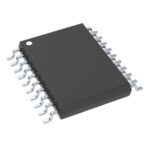 AVR16EB20-E/SS

The activity of extra discounts on wholesale prices is in full swing…
Please fill in your contact information and we will send you the latest wholesale price list.







