ChipApex | Global Electronic Components Supplier

SEARCH
Search Product
Search Post
— IC芯片 | 连接器 | 传感器 | 被动器件 —
Search productSearch post
— IC芯片 | 连接器 | 传感器 | 被动器件 —
Consult the customer manager about the wholesale price.
consultation hotline:86-132-6715-2157
email:[email protected]
Contact the product manager for consultation. One-stop consultation is available.
Do you want a lower wholesale price? Please send us your inquiry and we will reply immediately.
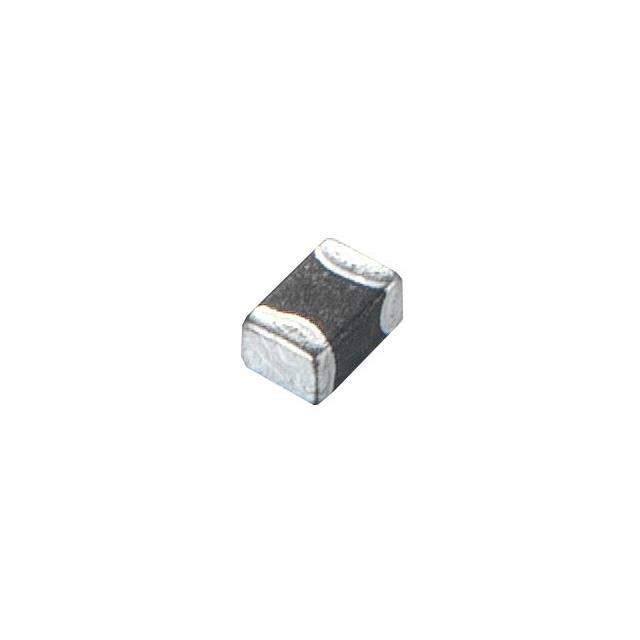
The BBPY00100505101Y00 is a multilayer ferrite chip bead manufactured by Pulse Electronics, designed for surface-mount technology applications. It operates within an impedance range of 100 Ohms at a test frequency of 100 MHz, with a tolerance of 25%. The component supports a maximum DC current of 1.2 A and exhibits a maximum DC resistance of 90 mOhms. Encased in a compact 0402 (1005 metric) package measuring 1 mm x 0.5 mm x 0.5 mm, it provides shielded performance to mitigate electromagnetic interference. The device functions reliably across a wide temperature range from -55°C to +125°C.
Verify the specific ordering suffix against official Pulse Electronics documentation to ensure correct impedance and tolerance specifications. Confirm RoHS compliance status through the manufacturer's datasheet or certified component databases prior to integration. Cross-reference the part number alias PBY100505T-101Y-N if sourcing from alternative distributors to maintain supply chain consistency and technical accuracy.
Select this component when a shielded ferrite bead is required for power lines carrying up to 1.2 A in space-constrained designs. The 100 Ohm impedance at 100 MHz targets common noise frequencies in modern digital systems. Ensure the PCB layout accommodates the 0402 package dimensions and that thermal conditions remain within the specified -55°C to +125°C operational range for reliable long-term performance.
This component belongs to the BBPY series of multilayer ferrite beads from Pulse Electronics. The series is engineered for SMD/SMT assembly, offering consistent electrical characteristics across production batches. The BBPY00100505101Y00 variant specifically addresses the need for shielded noise suppression in small form-factor applications, distinguishing it from unshielded counterparts in the broader ferrite product family.
Publicly confirmed substitute part numbers are not available in the provided source material. Verify compatibility with existing designs by comparing impedance curves, current ratings, and physical dimensions before considering alternative components.
 BBPY00100505101Y00

The activity of extra discounts on wholesale prices is in full swing…
Please fill in your contact information and we will send you the latest wholesale price list.