ChipApex | Global Electronic Components Supplier

SEARCH
Search Product
Search Post
— IC芯片 | 连接器 | 传感器 | 被动器件 —
Search productSearch post
— IC芯片 | 连接器 | 传感器 | 被动器件 —
Consult the customer manager about the wholesale price.
consultation hotline:86-132-6715-2157
email:[email protected]
Contact the product manager for consultation. One-stop consultation is available.
Do you want a lower wholesale price? Please send us your inquiry and we will reply immediately.
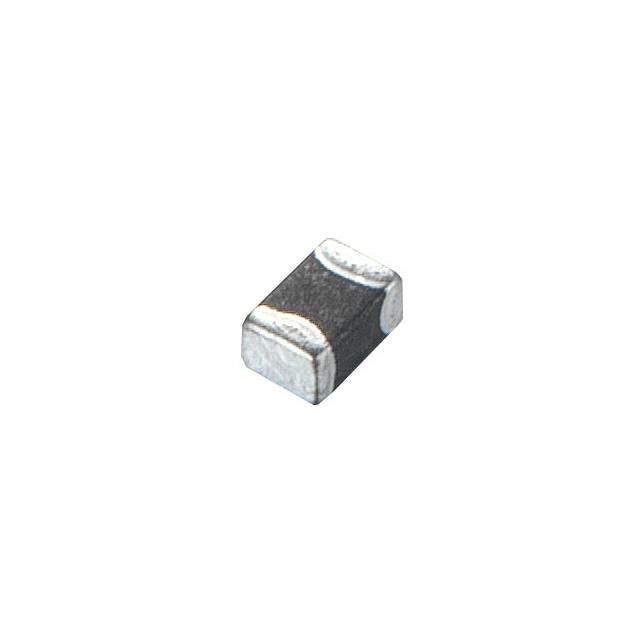
The BBSJ00160808102Y00 is a shielded ferrite chip bead from the Pulse Electronics BBSJ series, designed for high-speed signal lines under 1 GHz. It features a 0603 (1608 metric) SMD/SMT package with dimensions of 1.6 mm length, 0.8 mm width, and 0.8 mm height. The component provides an impedance of 1 kOhms at a test frequency of 100 MHz, with a tolerance of ±25%. It supports a maximum DC current of 300 mA and has a maximum DC resistance of 600 mOhms. The operating temperature range spans from -55°C to +125°C.
Verify the complete part number including suffixes against official manufacturer documentation to ensure correct impedance and current ratings. Confirm RoHS compliance status through the specific datasheet provided by Pulse Electronics. Cross-reference the Mouser number 603-BBSJ00160808102Y for accurate sourcing details. Ensure the procurement channel sources directly from authorized distributors to guarantee component authenticity and traceability.
Select this component when shielding is required to prevent magnetic field leakage in dense PCB layouts. The 300 mA current rating suits moderate power signal lines. Verify that the 1 kOhm impedance at 100 MHz aligns with the target noise frequencies. Consider the 0603 footprint constraints during mechanical design. Ensure the operating environment stays within the specified -55°C to +125°C thermal limits for reliable performance.
This ferrite bead belongs to the BBSJ series, which focuses on shielded solutions for EMI suppression. It shares the 0603 form factor with other series members but differs in electrical characteristics such as current handling and impedance profiles. The BBSJ series targets applications requiring controlled magnetic fields and compact footprints for modern electronic designs.
The BBNQ00160808102Y00 is a documented substitute with identical impedance and package dimensions. Note that the BBNQ variant has a lower maximum DC current rating of 200 mA compared to the 300 mA of the BBSJ model. Verify thermal performance and current derating curves before implementing any cross-series replacement.
 BBSJ00160808102Y00

The activity of extra discounts on wholesale prices is in full swing…
Please fill in your contact information and we will send you the latest wholesale price list.