ChipApex | Global Electronic Components Supplier

SEARCH
Search Product
Search Post
— IC芯片 | 连接器 | 传感器 | 被动器件 —
Search productSearch post
— IC芯片 | 连接器 | 传感器 | 被动器件 —
Consult the customer manager about the wholesale price.
consultation hotline:86-132-6715-2157
email:[email protected]
Contact the product manager for consultation. One-stop consultation is available.
Do you want a lower wholesale price? Please send us your inquiry and we will reply immediately.
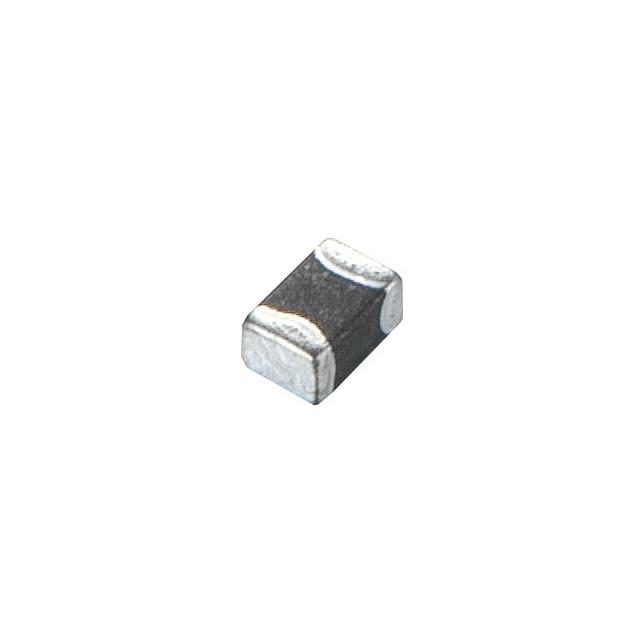
The BBSY00100505121Y00 is a shielded ferrite bead from Pulse Electronics, designed for surface mount technology (SMD/SMT) applications. It features a 0402 [1005 Metric] package with dimensions of 1 mm length, 0.5 mm width, and 0.5 mm height. The component provides an impedance of 120 ohms at a tolerance of ±25%. It supports a maximum DC current rating of 550 mA and has a maximum DC resistance (DCR) of 0.19 ohms. The device operates within a temperature range of -55°C to +125°C.
Verify the specific ordering suffix and manufacturer part number against official Pulse Electronics documentation to ensure compatibility with design requirements. Confirm that the shielded variant matches the intended noise suppression needs. Check RoHS compliance status and lead times directly with authorized distributors or the manufacturer prior to procurement. Ensure storage conditions align with moisture sensitivity levels if applicable.
Select this component when a low-profile, shielded ferrite bead is required for signals below 1GHz. The 120-ohm impedance and 550 mA current rating suit moderate noise suppression tasks. The 0402 package allows integration into dense layouts. Consider the 0.19-ohm DCR impact on signal integrity and power loss. Verify thermal stability requirements against the -55°C to +125°C operating range.
This part belongs to the BBSY series of ferrite beads from Pulse Electronics. It is categorized as a passive component used for EMI suppression. The series offers shielded options to reduce magnetic field leakage. It competes with other 0402 ferrite beads offering similar impedance and current ratings. The product is intended for consumer electronics and industrial applications requiring reliable noise filtering.
Consult official substitution guides from Pulse Electronics for verified alternatives. Cross-reference impedance, current rating, and package dimensions when selecting substitutes. Ensure any replacement maintains the shielded characteristic if EMI reduction is critical. Verify thermal and electrical specifications match the original design constraints.
 BBSY00100505121Y00

The activity of extra discounts on wholesale prices is in full swing…
Please fill in your contact information and we will send you the latest wholesale price list.