ChipApex | Global Electronic Components Supplier
SEARCH
Search Product
Search Post
— IC芯片 | 连接器 | 传感器 | 被动器件 —
Search productSearch post
— IC芯片 | 连接器 | 传感器 | 被动器件 —
Consult the customer manager about the wholesale price.
consultation hotline:86-132-6715-2157
email:[email protected]
Contact the product manager for consultation. One-stop consultation is available.
Do you want a lower wholesale price? Please send us your inquiry and we will reply immediately.
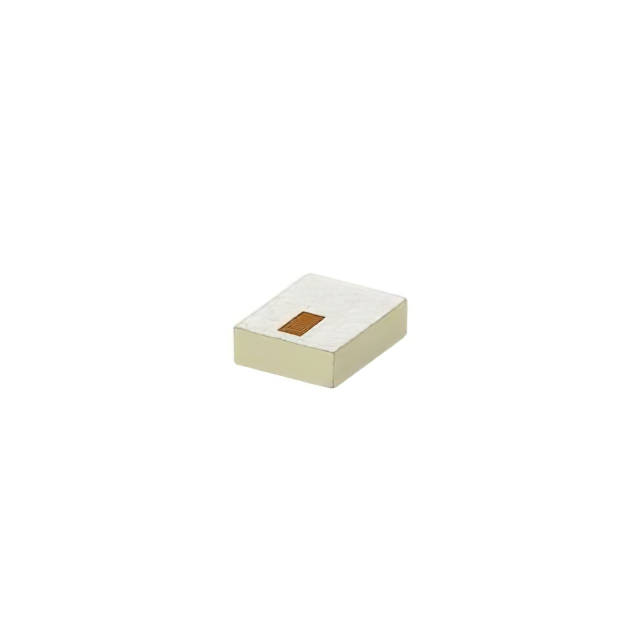
The BFCQ-2802+ is a miniature low-temperature co-fired ceramic (LTCC) bandpass filter designed for high-frequency applications. It features a surface-mountable 1008 (2520 Metric) package with three PC pads, facilitating automated pick-and-place assembly. The device covers the 5G n257 band, providing a passband of 27.5 to 29.5 GHz. It supports up to 1W RF input power and maintains a 50 Ohm impedance. The filter exhibits a passband insertion loss as low as 2dB, ensuring efficient signal transmission in demanding microwave environments.
Verify the specific datasheet version when ordering, as Mini-Circuits may update component specifications over time. Confirm that the required passband characteristics align with the 27.5 to 29.5 GHz range defined for the 5G n257 band. Ensure compatibility with standard SMT processes given the 1008 package dimensions. Cross-reference the part number suffix to confirm it denotes the standard commercial grade variant without special modifications.
Select this component when a compact solution is required for the 5G n257 frequency range. The LTCC construction offers reliability suitable for high-power applications up to 1W. Consider the 1008 footprint constraints during PCB layout design. Evaluate the 2dB insertion loss against system link budget requirements. This filter is appropriate for designs prioritizing size reduction while maintaining performance in the millimeter-wave spectrum.
Mini-Circuits produces a wide range of RF and microwave components from DC to 86GHz. The BFCQ series represents their line of ceramic filters utilizing LTCC technology. These components are engineered for integration into modern wireless infrastructure. The manufacturer emphasizes miniaturization and high performance in their product portfolio. This specific model fits within their strategy to support emerging 5G standards.
Public confirmed substitute part numbers are not available in the provided documentation. Verify if other Mini-Circuits models cover the same 27.5 to 29.5 GHz range before considering alternatives. Check mechanical footprint compatibility if substituting with similar LTCC filters. Ensure electrical parameters match the original design requirements.
 BFCQ-2802+
The activity of extra discounts on wholesale prices is in full swing…
Please fill in your contact information and we will send you the latest wholesale price list.