ChipApex | Global Electronic Components Supplier
SEARCH
Search Product
Search Post
— IC芯片 | 连接器 | 传感器 | 被动器件 —
Search productSearch post
— IC芯片 | 连接器 | 传感器 | 被动器件 —
Consult the customer manager about the wholesale price.
consultation hotline:86-132-6715-2157
email:[email protected]
Contact the product manager for consultation. One-stop consultation is available.
Do you want a lower wholesale price? Please send us your inquiry and we will reply immediately.
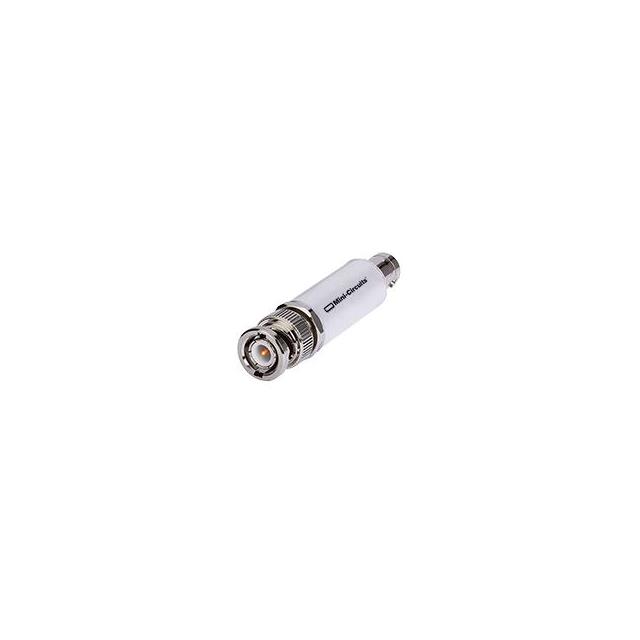
The Mini-Circuits BLP-1.9+ is a lumped LC low-pass filter designed for signal conditioning applications within the DC to 1.9 MHz frequency range. It features a nominal impedance of 50 Ohms and utilizes BNC connectors for inline integration. The component operates reliably across an extended temperature spectrum, supporting minimum working temperatures of -55°C and maximum working temperatures of +100°C. Housed in the FF55 package, this filter provides essential frequency management for electronic systems requiring precise low-frequency signal passage while attenuating higher frequencies.
Verify the specific datasheet revision when sourcing, as electrical specifications may undergo updates. Confirm that the BNC connector type matches your system requirements. Ensure the operating environment remains within the specified -55°C to +100°C range to maintain performance integrity. Cross-reference the part number suffix with official documentation to confirm compatibility with existing designs.
Select this component when a fixed cutoff near 1.9 MHz is required for 50-ohm systems. The BLP-1.9+ is suitable for applications demanding robust signal integrity at low frequencies. Consider the physical dimensions of the FF55 package during layout planning. Evaluate thermal constraints to ensure operation stays within the rated temperature limits for long-term reliability.
This component belongs to the BLP series from Mini-Circuits, which specializes in low-pass filters for various frequency bands. The series offers standardized impedance options and connector types to simplify design integration. The BLP-1.9+ specifically addresses needs in the sub-MHz to low-MHz range, providing a reliable solution for engineers designing circuits that require effective high-frequency attenuation.
Consult official Mini-Circuits substitution guides for verified alternatives. Check for equivalent cutoff frequencies and impedance matching before replacing. Ensure any substitute component maintains compatible connector types and physical form factors.
 BLP-1.9+
The activity of extra discounts on wholesale prices is in full swing…
Please fill in your contact information and we will send you the latest wholesale price list.