ChipApex | Global Electronic Components Supplier

SEARCH
Search Product
Search Post
— IC芯片 | 连接器 | 传感器 | 被动器件 —
Search productSearch post
— IC芯片 | 连接器 | 传感器 | 被动器件 —
Consult the customer manager about the wholesale price.
consultation hotline:86-132-6715-2157
email:[email protected]
Contact the product manager for consultation. One-stop consultation is available.
Do you want a lower wholesale price? Please send us your inquiry and we will reply immediately.
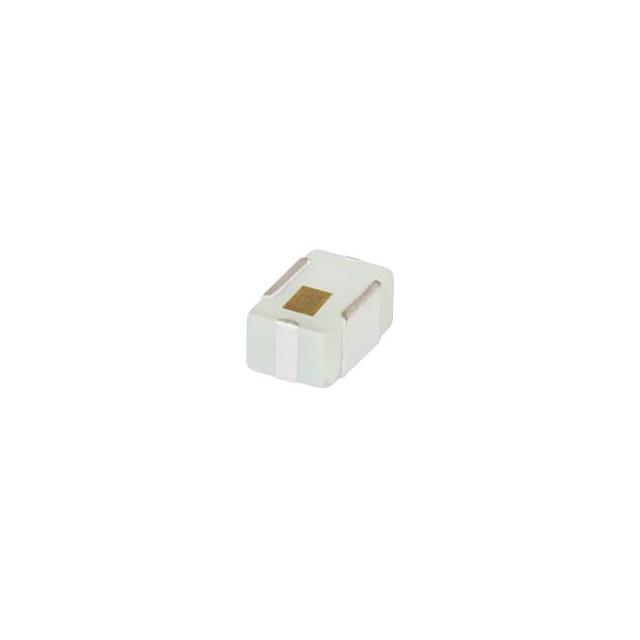
The BPGE-542R+ is a surface-mount LTCC bandpass filter designed for RF applications. It operates within a frequency range of 4900 MHz to 5920 MHz, providing a center frequency of 5.4 GHz and a bandwidth of 1.02 GHz. The component features a 50 Ohm impedance and utilizes a 4-SMD, No Lead (0805) package. Key electrical specifications include an insertion loss of 1.9 dB. This device is compliant with RoHS and REACH standards, ensuring suitability for modern electronic manufacturing requirements.
Verify the specific datasheet version when ordering, as Mini-Circuits may update electrical characteristics or mechanical drawings over time. Confirm that the 0805 footprint matches your PCB layout guidelines. Ensure compliance with RoHS and REACH regulations is required for your target market. Cross-reference the part number BPGE-542R+ with authorized distributors to avoid counterfeit components. Check for any associated evaluation boards if testing is needed prior to production.
Select this component when a fixed center frequency of 5.4 GHz is required with a 1.02 GHz bandwidth. The 50 Ohm impedance ensures compatibility with standard RF transmission lines. Consider the 1.9 dB insertion loss when calculating system link budgets. The SMT package facilitates automated assembly processes. Evaluate thermal management requirements based on the LTCC construction and expected power levels in the application environment.
This component belongs to the Mini-Circuits BPGE series of LTCC bandpass filters. These filters are engineered for use in RF and IF circuits up to 86 GHz. The BPGE series offers various center frequencies and bandwidths to suit different wireless standards. The 'R+' suffix typically indicates RoHS compliance and lead-free termination, aligning with environmental directives for electronic components manufactured by Mini-Circuits.
Consult official Mini-Circuits documentation for direct substitutes. Other parts in the BPGE series with similar frequency ranges may serve as alternatives if bandwidth or insertion loss tolerances differ. Verify package compatibility before swapping components. No third-party cross-references are confirmed without explicit manufacturer data.
 BPGE-542R+

The activity of extra discounts on wholesale prices is in full swing…
Please fill in your contact information and we will send you the latest wholesale price list.