ChipApex | Global Electronic Components Supplier

SEARCH
Search Product
Search Post
— IC芯片 | 连接器 | 传感器 | 被动器件 —
Search productSearch post
— IC芯片 | 连接器 | 传感器 | 被动器件 —
Consult the customer manager about the wholesale price.
consultation hotline:86-132-6715-2157
email:[email protected]
Contact the product manager for consultation. One-stop consultation is available.
Do you want a lower wholesale price? Please send us your inquiry and we will reply immediately.
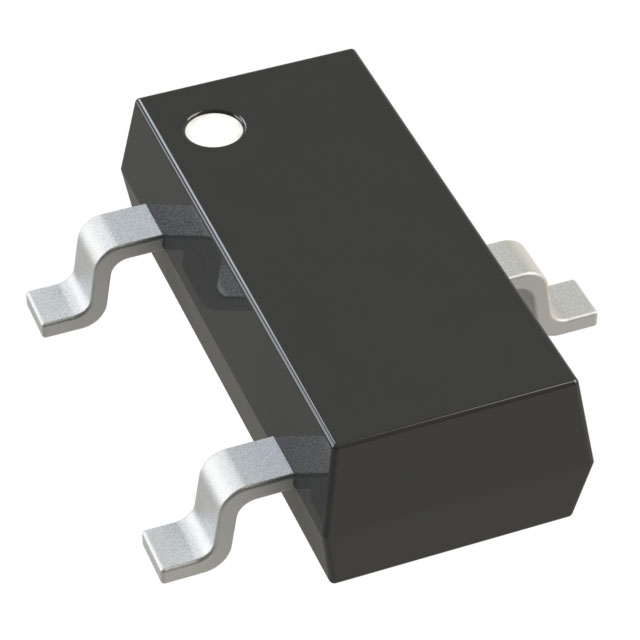
The BU45L292G-TL is a voltage detector IC from ROHM Semiconductor, designed for monitoring single-input power supply lines. It features a fixed threshold voltage of 2.9 V with an accuracy of ±1%. The device operates within a supply voltage range of 0.6 V to 6 V and consumes a typical operating current of 2.8 µA. It provides an open-drain output type and includes a built-in reset delay timer of 200 ms, eliminating the need for external capacitors. The component is housed in an SSOP-3 package and supports an operating temperature range from -40°C to +105°C.
Verify the current lifecycle status before procurement, as this part may be marked as Not Recommended for New Designs (NRND). Confirm that the SSOP-3 package dimensions align with your PCB footprint requirements. Ensure compatibility with the 2.9 V threshold and 200 ms delay specifications for your specific system timing needs. Check RoHS compliance documentation if required by your manufacturing standards.
Select this component when a fixed 2.9 V threshold with high precision is required for single-channel voltage monitoring. The integrated 200 ms delay simplifies board layout by removing external timing components. Consider the open-drain output capability for interfacing with various logic families. Evaluate the low quiescent current against system power budgets. Verify that the SSOP-3 package fits within the available space constraints.
This device belongs to the BU45/BU46 series of highly accurate, low-current voltage detectors. These ICs are characterized by their fixed delay timers and compact packaging options. The series is designed for general-purpose supervisory applications where precise voltage monitoring and minimal external component count are prioritized.
Check for direct substitutes within the BU45/BU46 series with different threshold voltages if system requirements change. Verify pinout compatibility when considering alternative packages like SOT-23-3. Consult official datasheets for any updated recommended replacement parts due to lifecycle changes.
 BU45L292G-TL

The activity of extra discounts on wholesale prices is in full swing…
Please fill in your contact information and we will send you the latest wholesale price list.