ChipApex | Global Electronic Components Supplier
SEARCH
Search Product
Search Post
— IC芯片 | 连接器 | 传感器 | 被动器件 —
Search productSearch post
— IC芯片 | 连接器 | 传感器 | 被动器件 —
Consult the customer manager about the wholesale price.
consultation hotline:86-132-6715-2157
email:[email protected]
Contact the product manager for consultation. One-stop consultation is available.
Do you want a lower wholesale price? Please send us your inquiry and we will reply immediately.
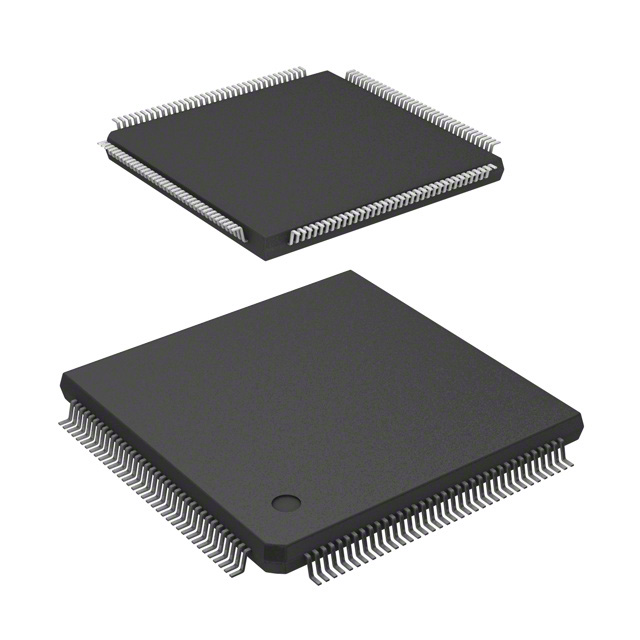
The Infineon C167CRL33MHAKXQLA1 is a 16-bit single-chip microcontroller from the C166 family, operating at a maximum frequency of 33 MHz. It features a high-performance CPU with a 4-stage pipeline and supports up to 16 Mbytes of linear address space. The device includes 2 Kbytes of internal RAM (IRAM) and 2 Kbytes of extension RAM (XRAM). Key peripherals include a 16-channel 10-bit A/D converter, two Capture/Compare units, a 4-channel PWM module, two General Purpose Timer units, two serial channels, and an on-chip CAN interface compliant with Rev. 2.0B.
Verify the specific ordering code against the manufacturer's product catalog to ensure alignment with required temperature ranges and package types. Confirm that the mask ROM content matches the intended application firmware requirements prior to deployment. Cross-reference the datasheet revision history for any updates to electrical parameters or pin definitions relevant to the manufacturing date.
Select this derivative for applications requiring robust 16-bit processing capabilities combined with integrated communication interfaces like CAN. Consider the 33 MHz operating speed for performance-critical timing loops. Evaluate the available I/O lines and peripheral counts against system connectivity needs, particularly regarding the multiplexed address/data bus configuration options.
This component belongs to the Infineon C166 family of 16-bit microcontrollers, designed for high-performance embedded applications. The C167CR derivatives specifically enhance the standard C166 architecture with additional timer channels and optimized interrupt handling. It represents a mature technology node suitable for cost-sensitive yet functionally demanding industrial and automotive environments.
Consult the official product catalog for direct functional equivalents within the C166 series. Verify pin compatibility and memory map consistency when considering alternative packages such as the BGA variant. Ensure that any substitute part maintains the same instruction set architecture and peripheral functionality.
 C167CRL33MHAKXQLA1
The activity of extra discounts on wholesale prices is in full swing…
Please fill in your contact information and we will send you the latest wholesale price list.