 ChipApex | Global Electronic Components Supplier
SEARCH
Search Product
Search Post
— IC芯片 | 连接器 | 传感器 | 被动器件 —
Search productSearch post
— IC芯片 | 连接器 | 传感器 | 被动器件 —
Consult the customer manager about the wholesale price.
consultation hotline:86-132-6715-2157
email:[email protected]
Contact the product manager for consultation. One-stop consultation is available.
Do you want a lower wholesale price? Please send us your inquiry and we will reply immediately.
The C8051F503-IMR is an 8-bit mixed-signal microcontroller from the Silicon Labs C8051F50x family, housed in a 32-pin QFN package. It features a high-speed pipelined 8051 core operating at up to 50 MHz with 64 kB of in-system programmable Flash memory and 4.25 kB of internal data RAM. The device integrates a 12-bit ADC supporting up to 200 ksps, two comparators, and extensive digital peripherals including CAN 2.0, LIN 2.1, UART, SMBus, and SPI interfaces. It operates on a supply voltage range of 1.8 V to 5.25 V and supports an industrial temperature range of -40°C to +125°C.
Verify the specific suffix 'IMR' corresponds to the tape-and-reel packaging variant rather than the tube-packaged 'IM' version. Confirm that the component meets RoHS3 compliance requirements for your assembly process. Ensure the ordering quantity aligns with the reel specifications provided by the distributor. Cross-reference the datasheet revision to confirm pinout and electrical characteristics match your design intent.
Select this component when a complete mixed-signal solution is required within a compact 32-pin footprint. It is suitable for designs needing simultaneous high-speed digital processing and precision analog measurement capabilities. Consider this part if automotive reliability or wide operating voltage ranges are critical constraints. Evaluate the available I/O count against the specific peripheral requirements of the target application.
This microcontroller belongs to the C8051F50x series, which represents a fully integrated system-on-chip approach. The family combines a standard 8051-compatible CPU with extensive on-chip peripherals, reducing the need for external support components. This integration simplifies board layout and lowers overall system cost while maintaining high performance and flexibility for diverse embedded applications.
Consult the official datasheet for cross-reference information regarding newer generations or alternative packages within the same manufacturer's portfolio. Verify pin compatibility and software register mapping before substituting any other MCU models. Check for any end-of-life notifications or recommended upgrades for legacy components.
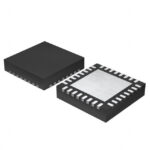 C8051F503-IMR
The activity of extra discounts on wholesale prices is in full swing…
Please fill in your contact information and we will send you the latest wholesale price list.





