ChipApex | Global Electronic Components Supplier
SEARCH
Search Product
Search Post
— IC芯片 | 连接器 | 传感器 | 被动器件 —
Search productSearch post
— IC芯片 | 连接器 | 传感器 | 被动器件 —
Consult the customer manager about the wholesale price.
consultation hotline:86-132-6715-2157
email:[email protected]
Contact the product manager for consultation. One-stop consultation is available.
Do you want a lower wholesale price? Please send us your inquiry and we will reply immediately.
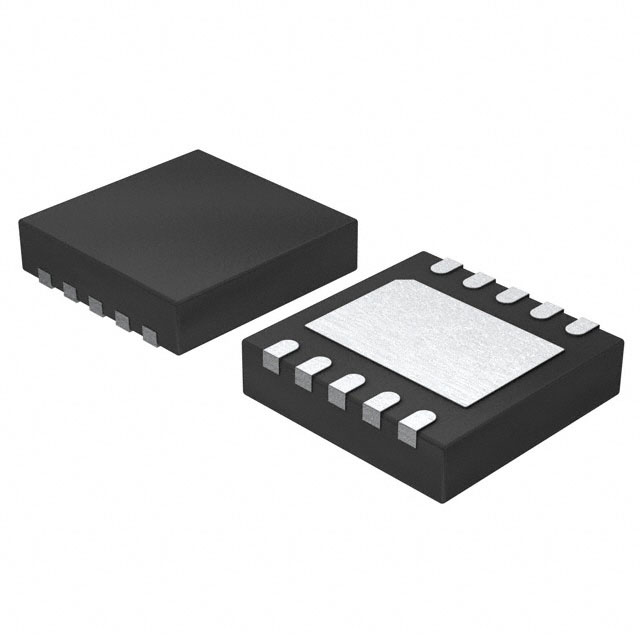
The C8051F520A-IMR is an 8-bit microcontroller from the C8051F52x/F53x family, featuring a high-speed CIP-51 core operating at up to 25 MIPS with a 25 MHz system clock. It integrates 8 kB of ISP Flash memory and 256 bytes of internal data RAM. The device includes a 12-bit ADC with programmable throughput up to 200 ksps, a programmable comparator, and a built-in temperature sensor. Digital peripherals consist of hardware SPI, UART, and a LIN 2.1 controller. It operates on a supply voltage of 2.0 to 5.25 V and is available in a 10-pin DFN package.
Verify component authenticity through authorized Silicon Labs distributors or direct channels. Confirm the specific suffix matches the required package and temperature grade. Check for current lifecycle status as this series may be subject to discontinuation notices. Ensure compatibility with existing design tools and programming interfaces before procurement.
Select this model when a robust 8051-compatible architecture with integrated analog peripherals is required. Consider the 8 kB Flash capacity and 256 bytes RAM for code size constraints. Evaluate the 10-pin DFN package for space-limited designs. Verify that the 2.0 V minimum supply voltage meets system power requirements.
This component belongs to the C8051F52x/F53x family of mixed-signal microcontrollers. It utilizes the CIP-51 instruction set architecture, which maintains full compatibility with standard 8051 software while offering enhanced performance. The family is designed for applications needing precise analog control alongside digital processing capabilities.
Consult official Silicon Labs documentation for end-of-life notifications. Potential substitutes within the same family should match the Flash size, package type, and peripheral set. Verify pinout compatibility and electrical characteristics before substitution.
The 12-bit ADC supports a programmable throughput of up to 200 ksps.
No, it features on-chip debug circuitry that facilitates full-speed, non-intrusive in-system debugging without an external emulator.
Yes, it is qualified to AEC-Q100 standards and operates within the –40 to +125 °C temperature range.
 C8051F520A-IMR
The activity of extra discounts on wholesale prices is in full swing…
Please fill in your contact information and we will send you the latest wholesale price list.