ChipApex | Global Electronic Components Supplier
SEARCH
Search Product
Search Post
— IC芯片 | 连接器 | 传感器 | 被动器件 —
Search productSearch post
— IC芯片 | 连接器 | 传感器 | 被动器件 —
Consult the customer manager about the wholesale price.
consultation hotline:86-132-6715-2157
email:[email protected]
Contact the product manager for consultation. One-stop consultation is available.
Do you want a lower wholesale price? Please send us your inquiry and we will reply immediately.
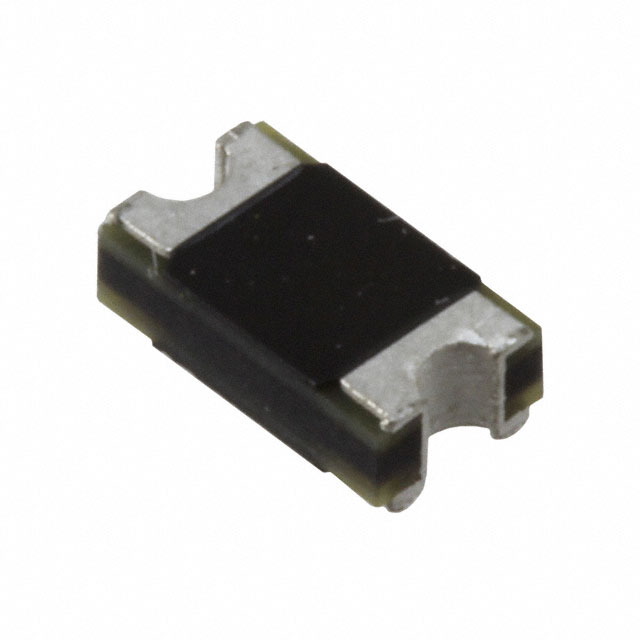
The CD1408-F1400 is a surface mount fast recovery rectifier diode manufactured by Bourns Inc. It features a compact 1408 package format compatible with SOD-87 and SOD-123 footprints, designed for PCB real estate savings. The device provides a maximum average forward rectified current of 1 A and a maximum repetitive peak reverse voltage of 400 V. Key electrical characteristics include a typical junction capacitance of 51 pF, a maximum reverse recovery time of 300 ns, and an instantaneous forward voltage of 3.1 V at 1 A. It operates within a temperature range of -65 °C to +175 °C.
Verify the specific ordering suffix (FG) against the manufacturer's official documentation to ensure correct packaging configuration. Confirm that the component meets all applicable regulatory standards required for your target market, including RoHS compliance and UL 94V-0 classification requirements. Cross-reference the datasheet revision date to ensure you are using the most current specifications before finalizing procurement orders.
Select this component when a 400 V blocking voltage and 1 A continuous current rating are required in a small surface-mount footprint. Ensure the application environment stays within the specified -65 °C to +175 °C operating temperature range. Verify that the 300 ns maximum reverse recovery time aligns with the switching speed requirements of the circuit design.
This part belongs to the CD1408-F1 series of surface mount rectifier diodes from Bourns. The series offers various voltage ratings ranging from 200 V to 1000 V while maintaining a consistent 1 A current capacity and compact 1408 package size. These devices are engineered to replace larger through-hole components in portable communications, computing, and video equipment.
Compatible substitutes within the same series include CD1408-F1200 (200 V), CD1408-F1600 (600 V), CD1408-F1800 (800 V), and CD1408-F11000 (1000 V). When substituting, verify that the reverse voltage rating of the alternative part meets or exceeds the circuit requirements.
 CD1408-F1400
The activity of extra discounts on wholesale prices is in full swing…
Please fill in your contact information and we will send you the latest wholesale price list.