ChipApex | Global Electronic Components Supplier
SEARCH
Search Product
Search Post
— IC芯片 | 连接器 | 传感器 | 被动器件 —
Search productSearch post
— IC芯片 | 连接器 | 传感器 | 被动器件 —
Consult the customer manager about the wholesale price.
consultation hotline:86-132-6715-2157
email:[email protected]
Contact the product manager for consultation. One-stop consultation is available.
Do you want a lower wholesale price? Please send us your inquiry and we will reply immediately.
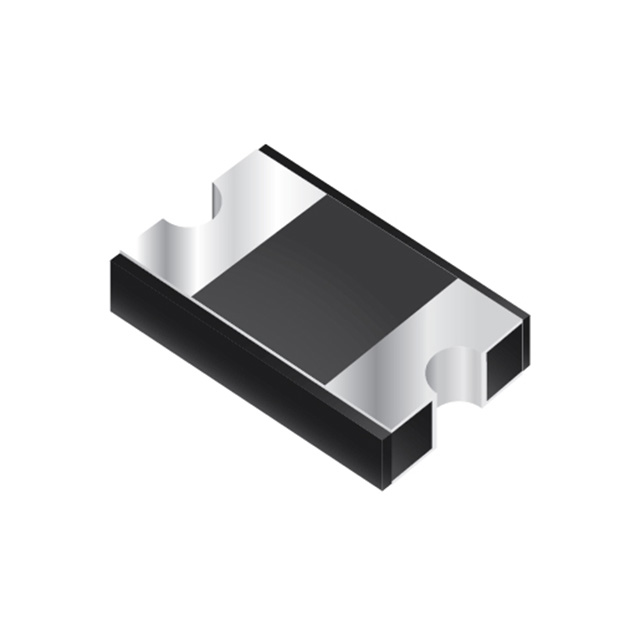
The CD214B-B360R is a Schottky Barrier Rectifier Chip Diode from the CD214B-B3xR series, manufactured by Bourns Inc. It features a maximum average forward current of 3 A and a maximum repetitive peak reverse voltage of 60 V. The device operates within a junction temperature range of -55 °C to +125 °C and supports a peak forward surge current of 80 A. Electrical characteristics include a typical instantaneous forward voltage of 0.65 V at 3 A and a DC reverse current of up to 0.50 mA. The component utilizes a DO-214AA (SMB) compatible package.
Verify the specific part number against the manufacturer's latest documentation before procurement. Confirm that the required electrical parameters align with your circuit design requirements. Check for any updates regarding RoHS compliance status or environmental directives. Ensure compatibility with standard surface mount assembly processes. Review the datasheet for absolute maximum ratings to prevent device failure during operation.
Select this component when a compact Schottky rectifier is needed for 60 V applications with a 3 A current rating. Consider the low forward voltage drop for improved efficiency in power conversion circuits. Evaluate the thermal resistance characteristics for heat dissipation needs. Verify package compatibility with existing PCB layouts. Compare performance metrics against alternative diodes if higher voltage or current ratings are required.
This component belongs to the CD214B-B3xR series of Schottky Barrier Rectifiers designed for portable communications, computing, and video equipment. The series offers various voltage options ranging from 20 V to 100 V while maintaining a consistent 3 A forward current capability. The devices are engineered to meet the demand for smaller electronic components in modern semiconductor designs.
Compatible substitutes within the same series include CD214B-B320R, CD214B-B340R, and CD214B-B3100R. These alternatives share identical physical dimensions and electrical current ratings but differ in their maximum repetitive peak reverse voltage specifications.
 CD214B-B360R
The activity of extra discounts on wholesale prices is in full swing…
Please fill in your contact information and we will send you the latest wholesale price list.