ChipApex | Global Electronic Components Supplier
SEARCH
Search Product
Search Post
— IC芯片 | 连接器 | 传感器 | 被动器件 —
Search productSearch post
— IC芯片 | 连接器 | 传感器 | 被动器件 —
Consult the customer manager about the wholesale price.
consultation hotline:86-132-6715-2157
email:[email protected]
Contact the product manager for consultation. One-stop consultation is available.
Do you want a lower wholesale price? Please send us your inquiry and we will reply immediately.
The CD4150 is a small signal switching diode manufactured by Microchip Technology, designed for computer and signal applications. It features a surface mount die configuration with a peak reverse voltage of 50 V and a maximum forward current of 200 mA. The device supports a surge current of 4 A and exhibits a fast recovery time of 4 ns. Electrical characteristics include a forward voltage of 1 V at rated current and a reverse leakage current of 100 nA. The component operates within a temperature range of -65 °C to +175 °C.
Verify the specific package variant and tape/reel specifications when ordering, as surface mount dies often require specialized handling equipment. Confirm compliance requirements such as RoHS status directly with the manufacturer or authorized distributors, as regulatory markings may vary by production batch. Ensure that the intended application environment remains within the specified -65 °C to +175 °C operational temperature limits to maintain device reliability and performance standards.
Select the CD4150 for designs requiring a robust silicon switching diode in a minimal footprint. Its 50 V reverse voltage rating provides adequate margin for low-voltage digital systems. The 200 mA continuous forward current capacity supports moderate load requirements. Consider the surface mount die format for space-constrained printed circuit board layouts where traditional leaded packages are unsuitable.
This component belongs to Microchip Technology's line of general-purpose and switching diodes. It complements through-hole variants like the 1N4150-1 by offering a comparable electrical profile in a surface mount die form factor. The product series targets applications demanding reliable signal integrity and fast response times in consumer and industrial electronics.
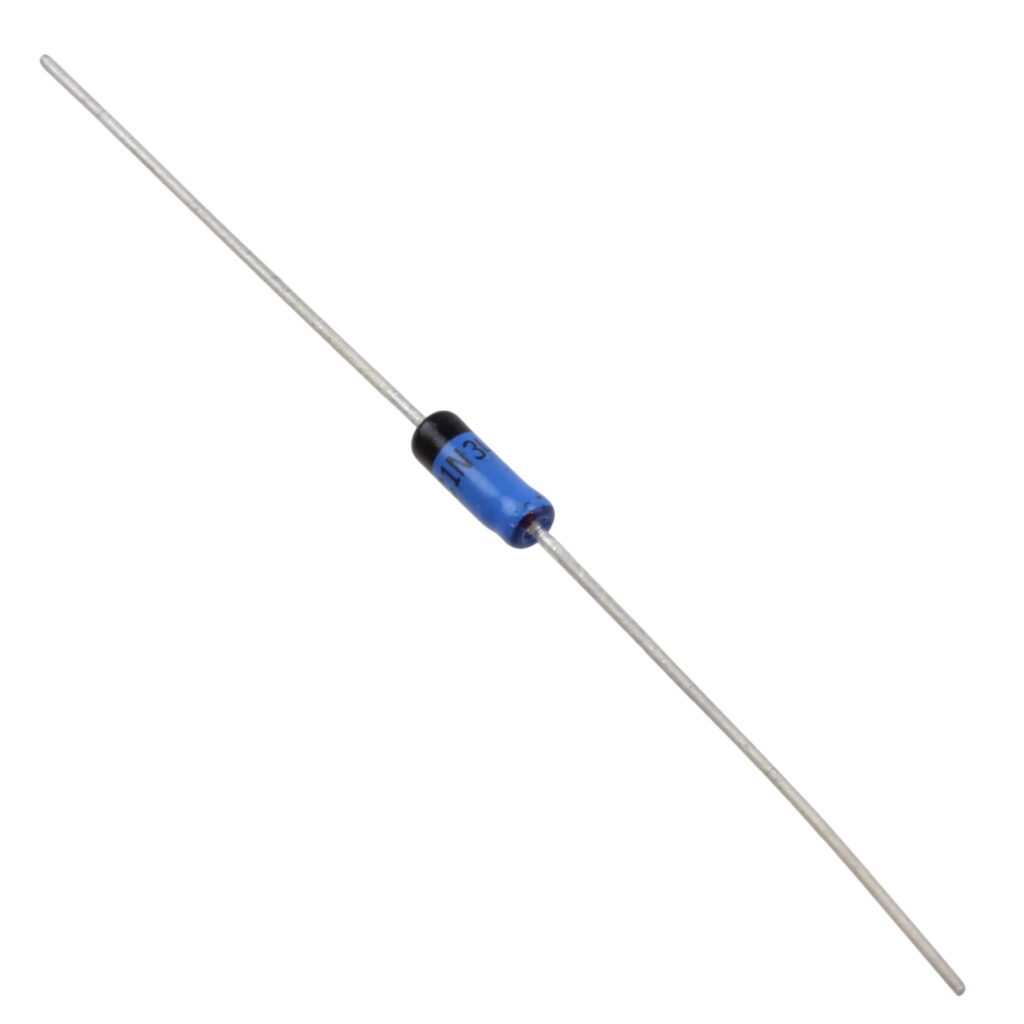
The 1N4150-1 serves as a functional equivalent with identical electrical ratings but utilizes a DO-35 through-hole package instead of a surface mount die. Designers must account for significant differences in physical mounting requirements and PCB layout constraints when substituting between these form factors.
 CD4150
The activity of extra discounts on wholesale prices is in full swing…
Please fill in your contact information and we will send you the latest wholesale price list.