ChipApex | Global Electronic Components Supplier
SEARCH
Search Product
Search Post
— IC芯片 | 连接器 | 传感器 | 被动器件 —
Search productSearch post
— IC芯片 | 连接器 | 传感器 | 被动器件 —
Consult the customer manager about the wholesale price.
consultation hotline:86-132-6715-2157
email:[email protected]
Contact the product manager for consultation. One-stop consultation is available.
Do you want a lower wholesale price? Please send us your inquiry and we will reply immediately.
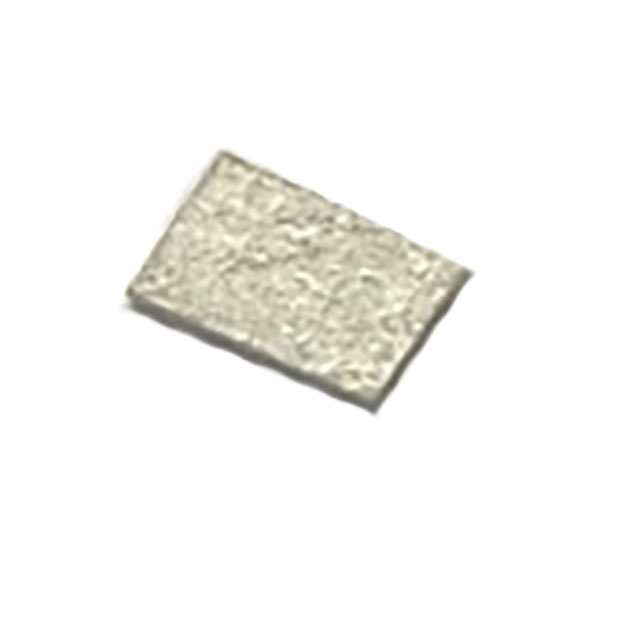
The RFMi CDR2013 is a ceramic bandpass filter designed for digital radio applications in the sub-6 GHz and fifth-generation (5G) spectrum. It operates with a center frequency of 3550 MHz and provides a bandwidth of 300 MHz. The component features a nominal impedance of 50 Ohms, ensuring compatibility with standard RF transmission lines. Manufactured by RFMi, an Akoustis brand, this device utilizes ceramic technology to deliver stable performance in wireless communication systems requiring precise frequency selection.
Verify the specific datasheet revision, as RFMi documents may vary by date. Confirm package dimensions match the design footprint, typically around 7.45 x 4.23 mm. Ensure the 50 Ohm impedance aligns with the system schematic. Check for lead-free status if required by environmental compliance standards. Validate that the center frequency specification meets the exact network requirements.
Select this component when a fixed 3550 MHz center frequency is required for sub-6 GHz applications. The 300 MHz bandwidth must accommodate the desired channel spacing without excessive attenuation. Consider the physical size constraints given the nonstandard package dimensions. Ensure the operating temperature range specified in the official datasheet matches the deployment environment. Verify insertion loss characteristics against system link budget requirements.
RFMi, now part of Akoustis, specializes in RF components using SAW, crystal, and ceramic technologies. The CDR2013 belongs to their ceramic filter portfolio, targeting high-frequency wireless markets. This series supports the transition to 5G infrastructure by providing reliable filtering solutions in the crowded sub-6 GHz spectrum bands used globally for mobile broadband services.
No public substitute part numbers are confirmed in available documentation. Cross-referencing requires matching center frequency, bandwidth, impedance, and package dimensions exactly. Consult RFMi technical support for approved alternatives if supply chain constraints exist.
 CDR2013
The activity of extra discounts on wholesale prices is in full swing…
Please fill in your contact information and we will send you the latest wholesale price list.