ChipApex | Global Electronic Components Supplier

SEARCH
Search Product
Search Post
— IC芯片 | 连接器 | 传感器 | 被动器件 —
Search productSearch post
— IC芯片 | 连接器 | 传感器 | 被动器件 —
Consult the customer manager about the wholesale price.
consultation hotline:86-132-6715-2157
email:[email protected]
Contact the product manager for consultation. One-stop consultation is available.
Do you want a lower wholesale price? Please send us your inquiry and we will reply immediately.
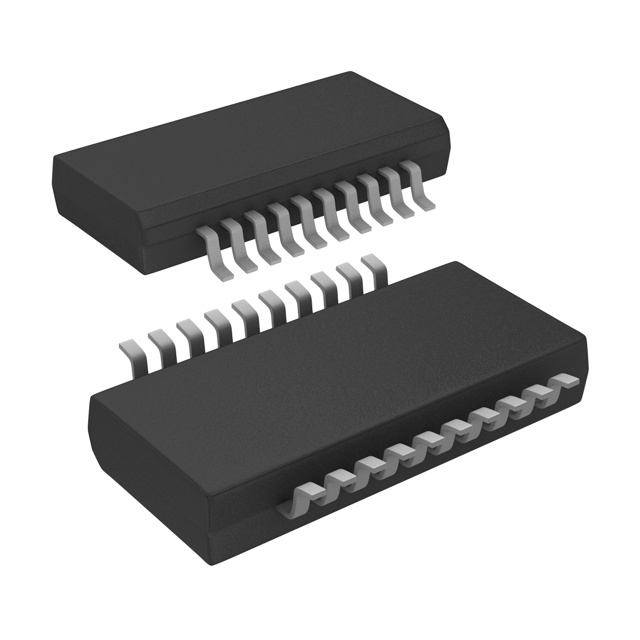
The CY74FCT273ATQCT is an octal D-type flip-flop with clear, manufactured by Texas Instruments. It operates within a supply voltage range of 4.75 V to 5.25 V and features TTL-compatible inputs with CMOS outputs. The device provides non-inverting logic and includes a master reset function. Key electrical parameters include a propagation delay of 7.2 ns at 50 pF load, high-level output current of 32 mA, and low-level output current of 64 mA. Static current (Iq) is specified at 200 µA. It is housed in a 20-SSOP package and supports surface mount installation.
Verify component authenticity through authorized distributors or direct manufacturer channels. Confirm RoHS compliance status and moisture sensitivity level (MSL 2) prior to soldering. Ensure packaging integrity matches reel or cut-tape specifications required for automated assembly processes. Cross-reference ordering suffixes to confirm exact package variant and temperature grade alignment with design requirements.
Select this component when designing systems requiring octal storage with TTL input compatibility. Consider the 20-SSOP package dimensions for PCB layout constraints. Evaluate thermal performance within the -40°C to +85°C operating range. Compare propagation delay characteristics against system timing budgets to ensure signal integrity across all eight channels.
This part belongs to the Texas Instruments 74FCT logic family, which combines BiCMOS technology for high-speed performance with low power consumption. The 74FCT273 series specifically addresses applications needing parallel data storage with fast switching speeds. It serves as a standard solution for digital logic interfaces requiring reliable data retention and quick response times in industrial and consumer electronics.
CY74FCT273CTQCT offers similar functionality but may differ in specific electrical characteristics or package tolerances. Verify pinout compatibility and parameter equivalence before substitution. Consult official datasheets for detailed comparison of propagation delays and drive strengths to ensure functional parity in existing designs.
 CY74FCT273ATQCT

The activity of extra discounts on wholesale prices is in full swing…
Please fill in your contact information and we will send you the latest wholesale price list.