ChipApex | Global Electronic Components Supplier
SEARCH
Search Product
Search Post
— IC芯片 | 连接器 | 传感器 | 被动器件 —
Search productSearch post
— IC芯片 | 连接器 | 传感器 | 被动器件 —
Consult the customer manager about the wholesale price.
consultation hotline:86-132-6715-2157
email:[email protected]
Contact the product manager for consultation. One-stop consultation is available.
Do you want a lower wholesale price? Please send us your inquiry and we will reply immediately.
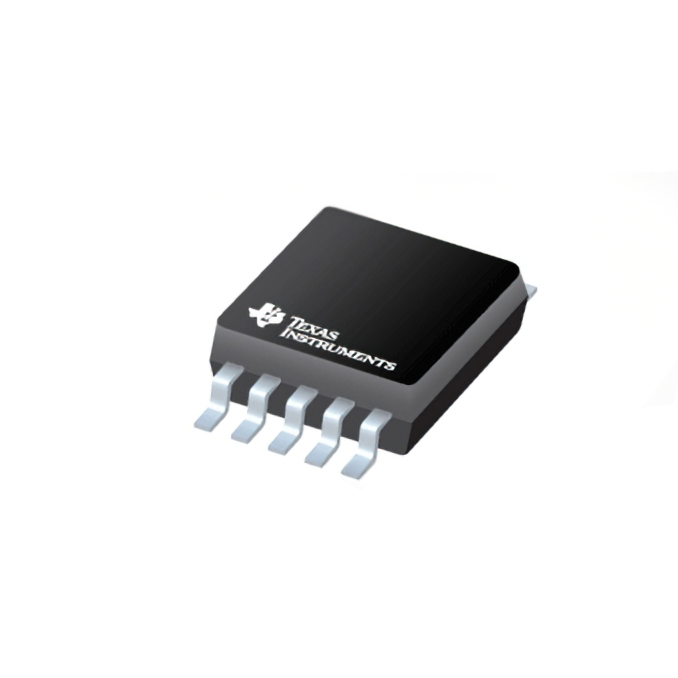
The DRV8421ADGQR is a dual H-bridge motor driver manufactured by Texas Instruments, designed for driving single or dual brushed DC motors and stepper motors. It operates within an input supply voltage range of 4 V to 18 V and supports peak currents up to 2 A per bridge. The device integrates charge pump circuitry for high-side N-channel MOSFET gate drive, enabling efficient control in low-voltage applications. It features built-in protection mechanisms including overcurrent protection, thermal shutdown, and undervoltage lockout to ensure reliable operation in mechatronic systems.
Verify the exact part marking and package type (VQFN) against the official Texas Instruments datasheet before procurement. Ensure the ordering suffix matches the required tape and reel configuration. Confirm that the component meets the specific electrical requirements of your design, particularly regarding the 4 V to 18 V operating range and 2 A current capability. Cross-reference with authorized distributors to avoid counterfeit components.
Select this component when a compact dual H-bridge solution is needed for low-voltage motor applications. It is suitable for designs requiring integrated protection features without external discrete components. Consider the thermal performance and PCB layout requirements for heat dissipation when operating near the maximum current limits. Verify compatibility with the microcontroller interface signals for step/dir or PWM control modes.
The DRV8421 belongs to Texas Instruments' family of dual H-bridge motor drivers, offering a cost-effective solution for controlling multiple motors from a single IC. It is commonly used in consumer electronics and industrial automation where space constraints and integration levels are critical. The ADGQR variant specifically denotes the VQFN package with tape and reel packaging for automated assembly processes.
Check for direct pin-to-pin replacements such as the DRV8421BDGQR if higher current ratings are required. Verify functional compatibility with existing control logic and power supply constraints before substituting. Consult the latest TI documentation for any updates on recommended alternatives or end-of-life notices.
 DRV8421ADGQR
The activity of extra discounts on wholesale prices is in full swing…
Please fill in your contact information and we will send you the latest wholesale price list.