ChipApex | Global Electronic Components Supplier
SEARCH
Search Product
Search Post
— IC芯片 | 连接器 | 传感器 | 被动器件 —
Search productSearch post
— IC芯片 | 连接器 | 传感器 | 被动器件 —
Consult the customer manager about the wholesale price.
consultation hotline:86-132-6715-2157
email:[email protected]
Contact the product manager for consultation. One-stop consultation is available.
Do you want a lower wholesale price? Please send us your inquiry and we will reply immediately.
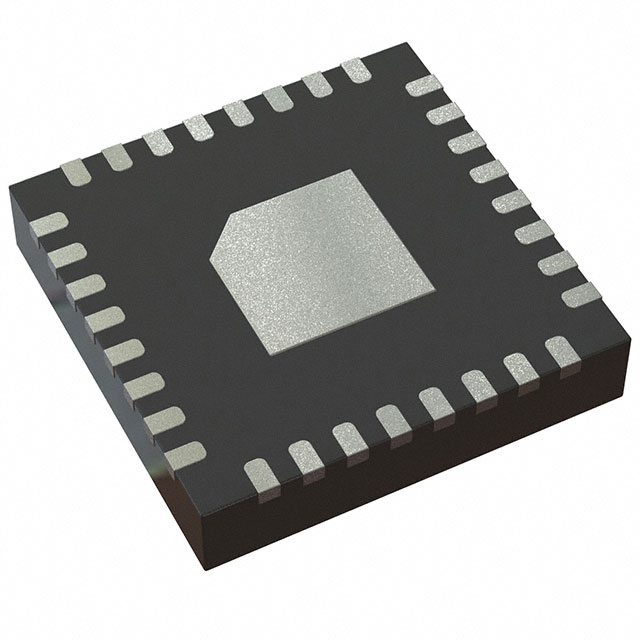
The DRV8705HQRHBRQ1 is an automotive-grade smart half-bridge gate driver from Texas Instruments, designed for high-side and low-side MOSFET control. It operates within a supply voltage range of 4.9 V to 37 V and supports junction temperatures from -40°C to +125°C. The device features a single driver with one output capable of 5 mA drive current. Packaged in a VQFN-32 format, it includes propagation delays of up to 600 ns and 850 ns, ensuring reliable switching performance for automotive applications requiring robust power management.
Verify the specific ordering suffix matches the required package and temperature grade. Confirm AEC-Q100 compliance requirements against the target application specifications. Ensure the VQFN-32 footprint aligns with PCB layout constraints. Check for any specific moisture sensitivity level handling instructions during assembly. Validate that the 37 V maximum supply rating suits the system power architecture.
Select this component when an automotive-certified half-bridge driver is required for brushed DC motor or general switching applications. Consider the 5 mA output current capability for driving smaller MOSFETs or IGBTs. Evaluate the VQFN-32 package size against available board space. Compare propagation delay characteristics against timing requirements. Ensure the 4.9 V minimum supply voltage is compatible with the system's power rail availability.
This part belongs to the DRV8705 series of smart gate drivers manufactured by Texas Instruments. It is specifically engineered for automotive use cases, distinguishing itself through its ruggedness and compliance with automotive quality standards. The series focuses on providing efficient control for half-bridge configurations, serving as a critical interface between logic controllers and power switches in vehicle electronics.
The DRV8705SQRHBRQ1 is a confirmed substitute within the same family, offering similar functionality but potentially differing in specific pinout or feature sets. Verify compatibility before swapping. No other direct cross-model replacements are documented in the provided data.
 DRV8705HQRHBRQ1
The activity of extra discounts on wholesale prices is in full swing…
Please fill in your contact information and we will send you the latest wholesale price list.