ChipApex | Global Electronic Components Supplier
SEARCH
Search Product
Search Post
— IC芯片 | 连接器 | 传感器 | 被动器件 —
Search productSearch post
— IC芯片 | 连接器 | 传感器 | 被动器件 —
Consult the customer manager about the wholesale price.
consultation hotline:86-132-6715-2157
email:[email protected]
Contact the product manager for consultation. One-stop consultation is available.
Do you want a lower wholesale price? Please send us your inquiry and we will reply immediately.
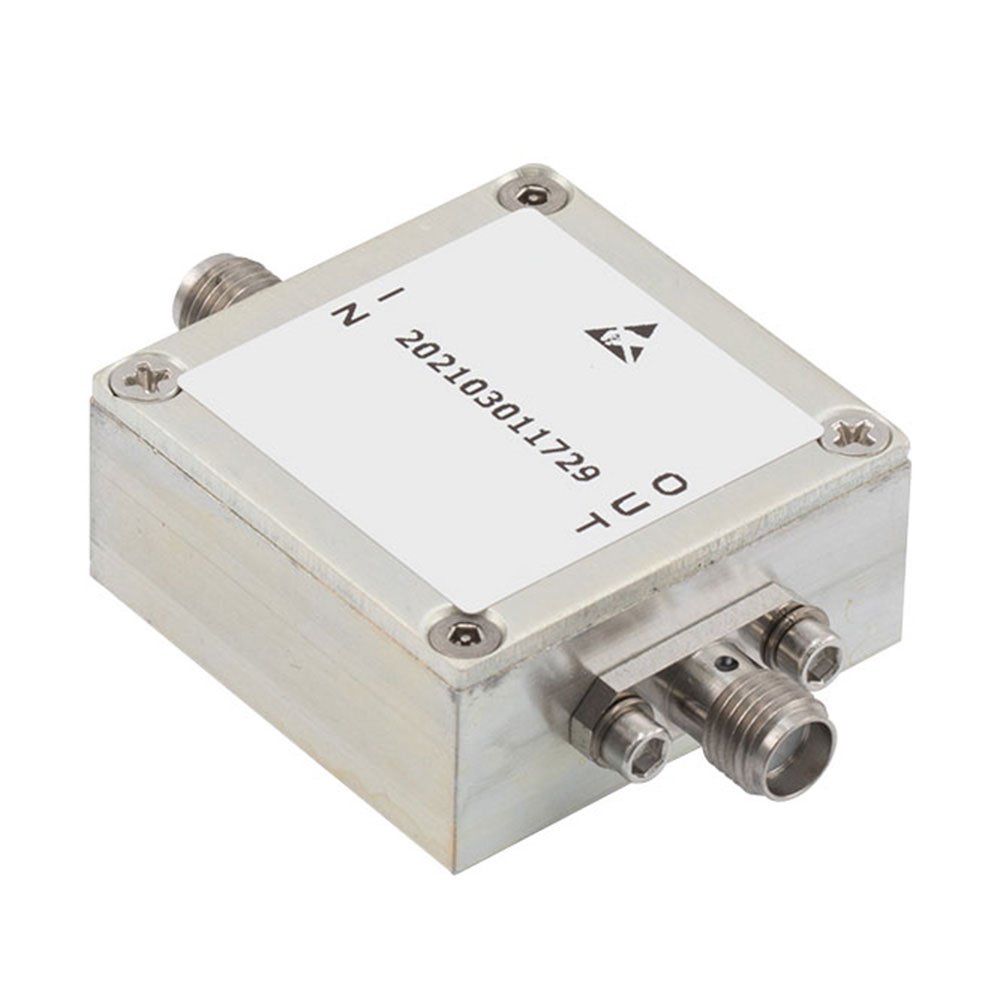
The FMFX2013 is a signal conditioning component manufactured by Fairview Microwave, classified as an RF frequency multiplier. It utilizes SMA female connectors and operates within an input frequency range of 2 GHz to 4 GHz. The device provides a 2x multiplication factor, resulting in an output frequency range of 4 GHz to 8 GHz. Key electrical specifications include a conversion loss of 14 dB. This component is designed for general-purpose applications requiring frequency synthesis or harmonic generation within the specified microwave bands.
Verify the specific SMA connector gender and mating compatibility before integration. Confirm that the required input drive levels fall within the operational limits of the 2 GHz to 4 GHz range. Ensure the system can accommodate the 14 dB conversion loss without compromising overall signal integrity. Check for any thermal management requirements associated with continuous operation at the specified frequencies.
Select this component when a fixed 2x multiplication ratio is required between 2-4 GHz input and 4-8 GHz output. Consider the 14 dB conversion loss impact on system noise figure and power budget. Verify that the SMA female interface aligns with existing board or cable infrastructure. Evaluate if the general-purpose classification meets the environmental and performance needs of the target application.
Fairview Microwave offers a range of signal conditioning components, including mixers and couplers. The FMFX2013 fits into the category of active RF integrated circuits and modules. It complements passive interconnect solutions by providing active frequency translation capabilities. This part supports engineers designing compact microwave systems that require precise frequency multiplication without complex external tuning networks.
No public confirmed substitute part numbers are available for direct replacement. When sourcing alternatives, ensure the replacement matches the 2x multiplication factor, 2-4 GHz input range, and 4-8 GHz output range. Verify that the new component maintains compatible SMA female interfaces and similar conversion loss characteristics to preserve system performance.
 FMFX2013
The activity of extra discounts on wholesale prices is in full swing…
Please fill in your contact information and we will send you the latest wholesale price list.