ChipApex | Global Electronic Components Supplier
SEARCH
Search Product
Search Post
— IC芯片 | 连接器 | 传感器 | 被动器件 —
Search productSearch post
— IC芯片 | 连接器 | 传感器 | 被动器件 —
Consult the customer manager about the wholesale price.
consultation hotline:86-132-6715-2157
email:[email protected]
Contact the product manager for consultation. One-stop consultation is available.
Do you want a lower wholesale price? Please send us your inquiry and we will reply immediately.
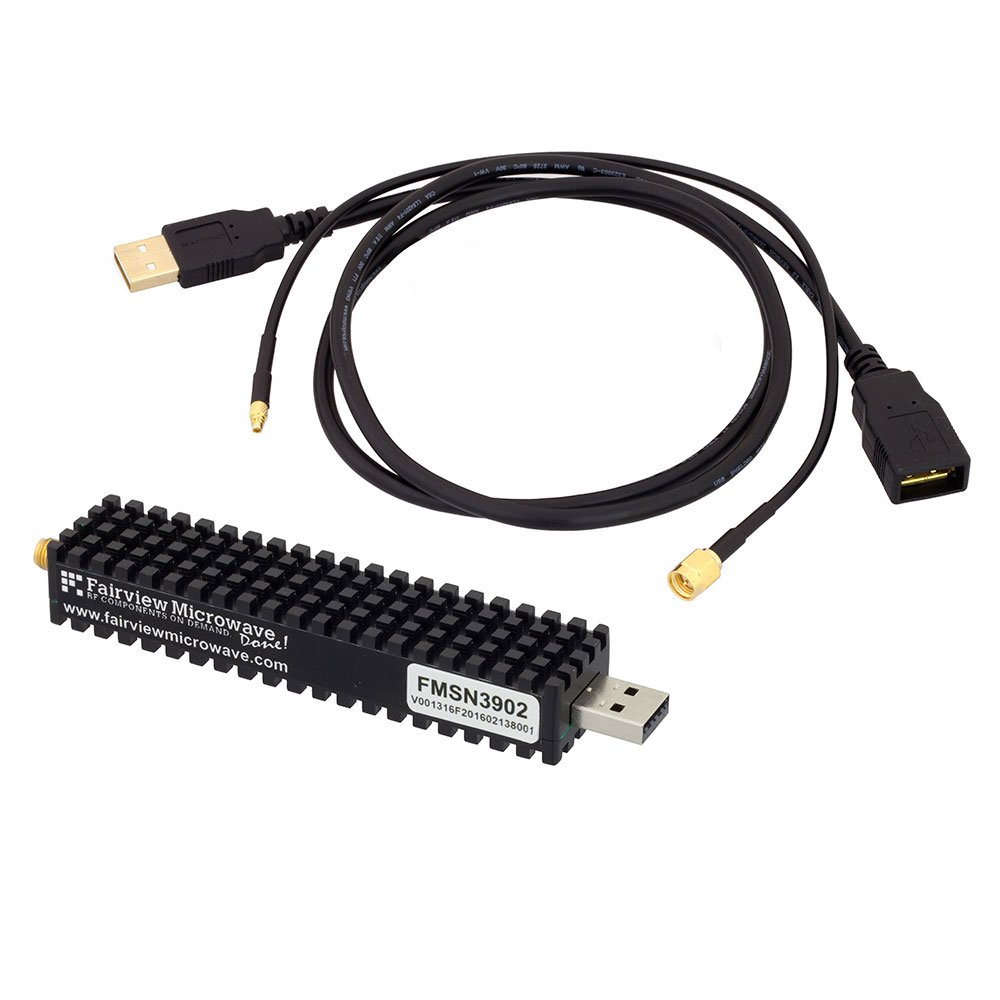
The FMSN3902 is a USB frequency synthesizer module manufactured by Fairview Microwave. It operates within a frequency range of 5 GHz to 10 GHz and utilizes Phase Locked Loop (PLL) technology. The device features SMA connectors for RF interfacing and is designed for radar applications. Key electrical specifications include an output power range of -14 dBm to 18 dBm, a reference input frequency of 50 MHz, and a phase noise performance of -72 dBc/Hz. The module provides exceptional spurious rejection capabilities.
Verify the specific connector type and pinout configuration against system requirements before integration. Confirm that the operating temperature range aligns with the intended environmental conditions. Ensure the USB control interface voltage levels are compatible with the host controller. Review the latest datasheet for any updates regarding mechanical dimensions or regulatory compliance status prior to finalizing the design.
Select this module when a compact solution combining USB control with high-frequency synthesis is required. Consider the -72 dBc/Hz phase noise specification for applications sensitive to signal jitter. Evaluate the output power range of -14 dBm to 18 dBm against downstream amplifier needs. The SMA interface simplifies integration into existing RF test setups without requiring custom adapters.
Fairview Microwave specializes in RF components and modules for demanding applications. The FMSN3902 belongs to their line of frequency synthesizers, bridging digital control interfaces with analog RF performance. This product supports engineers designing systems that require programmable frequency sources within the microwave spectrum, particularly where size constraints favor modular solutions over discrete component designs.
No public confirmed substitute part numbers are available for the FMSN3902. Engineers must evaluate alternative synthesizer modules based on matching frequency ranges, phase noise specifications, and interface compatibility. Cross-referencing technical parameters with equivalent products from other manufacturers is necessary if supply chain constraints arise.
 FMSN3902
The activity of extra discounts on wholesale prices is in full swing…
Please fill in your contact information and we will send you the latest wholesale price list.