ChipApex | Global Electronic Components Supplier

SEARCH
Search Product
Search Post
— IC芯片 | 连接器 | 传感器 | 被动器件 —
Search productSearch post
— IC芯片 | 连接器 | 传感器 | 被动器件 —
Consult the customer manager about the wholesale price.
consultation hotline:86-132-6715-2157
email:[email protected]
Contact the product manager for consultation. One-stop consultation is available.
Do you want a lower wholesale price? Please send us your inquiry and we will reply immediately.
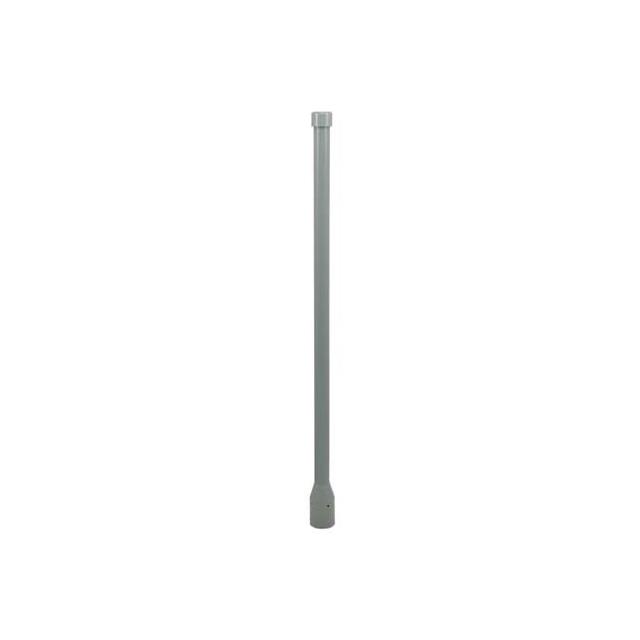
The L-Com HG2409U is a high-performance omnidirectional Wi-Fi antenna engineered for the 2.4 GHz ISM band and 2.36 GHz CDMA band. It features an 8.5 dBi gain rating, providing reliable signal coverage for wireless applications. The unit utilizes an N-type connector interface to ensure secure attachment to compatible radio equipment. Designed as a compact component, it supports IEEE 802.11b/g/n standards, making it suitable for various 2.4 GHz wireless systems requiring stable connectivity.
Verify that the required connector type matches the N-type interface specified for this model. Confirm operational frequency alignment with the 2.4 GHz ISM band requirements of your system. Ensure compatibility with existing mounting hardware due to the compact form factor. Cross-reference the part number HG2409U against official L-Com documentation to confirm current manufacturing status and technical specifications before finalizing procurement orders.
Select this model when omnidirectional coverage is required for 2.4 GHz wireless applications. Consider the 8.5 dBi gain specification for range requirements within the ISM band. Evaluate the N-type connector compatibility with your existing radio equipment. This antenna is appropriate for indoor or outdoor installations supporting Wi-Fi, Bluetooth, or dedicated wireless video links operating within the designated frequency parameters.
The HG2409U belongs to the L-Com HyperGain series, which focuses on high-performance wireless connectivity solutions. L-Com manufactures industrial-grade RF components, including antennas, cables, and connectors. This specific model addresses the need for reliable 2.4 GHz signal propagation in professional networking and communication setups, distinguishing itself through its optimized gain and broad band support.
The HG2409U-PRO is a related variant offering 9 dBi gain for the same 2.4 GHz ISM band. Verify if the increased gain profile suits your application needs. Both models share similar omnidirectional characteristics and connector types. Ensure any substitute maintains compatibility with IEEE 802.11b/g/n standards and N-type interfaces.
 HG2409U

The activity of extra discounts on wholesale prices is in full swing…
Please fill in your contact information and we will send you the latest wholesale price list.